Thought exercises for architects – curator Kaisa Karvinen sees architecture exhibitions as a means to share research
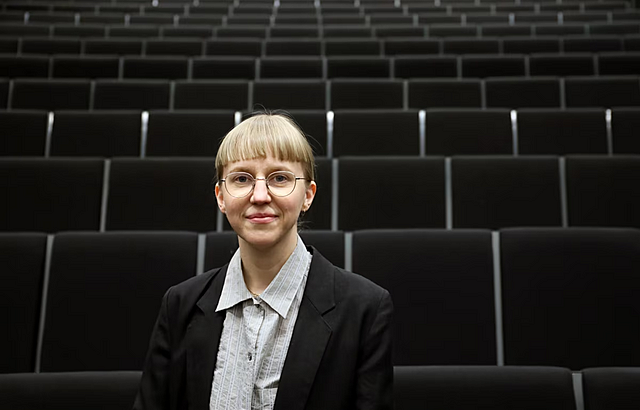
Estonian architect-researcher-curator Elina Liiva interviewed her Finnish colleague Kaisa Karvinen for the cultural magazine Sirp. The article was originally published in Estonian in March 2026.
Kaisa Karvinen is an architect, researcher and curator who translates research into an exhibition and uses exhibitions in her research. She is a doctoral researcher at the University of Oulu, and currently she is preparing the exhibition of the Finnish Pavilion for the 2027 Venice Architecture Biennale. In February, she gave a lecture on architecture curating at the Estonian Academy of Fine Arts.
During with her visit, we discussed a number of topics, such as the importance of architectural exhibitions and the built environment’s future values. The discussion was intertwined with Karvinen's previous work and the upcoming biennale project. The central themes were the care and preservation of buildings, as well as the role of the architect.
Elina Liiva: You have recently focused on exhibitions and curation. During your career, have you also pursued a traditional profession as an architect? How did you become a curator?
Kaisa Karvinen: During my studies I worked in architectural offices and for the City of Helsinki. I also worked in the museum field, initially designing art and cultural history exhibitions and only later architectural exhibitions.
Gradually I became interested in curating and a research-based approach. I have worked with artists in various research and art projects, including the Trojan Horse collective and the (Re)configuring Territories research programme at the Narva Art Residency. With these experiences, the role of curator began to feel natural.
As an architect, I have worked a lot with public space; interest in it arose already during my studies and when preparing for my master’s thesis. This perspective has followed me also into my work with exhibitions. I think that making exhibitions is a way of public sharing and participation in social debate. I feel that design work and curating are intertwined.
"Making exhibitions is a way of public sharing
and participation in social debate."
EL: You have worked as both an exhibition designer and curator. How do these roles differ, how do you draw a line between them?
KK: The role of the exhibition designer is to support the curator, to help them in relation to the exhibition space. The designer thinks closely about the visitor experience and how the visitor understands the exhibition. The designer makes drawings and works with details, materials and colours. The main difference is perhaps related to time: the curator often starts the research years before the exhibition opens, whereas the spatial designer comes along much later.
However, my best experiences in terms of both the work process and the end result are projects where the curator and the designer-architect start working closely together at an early stage.
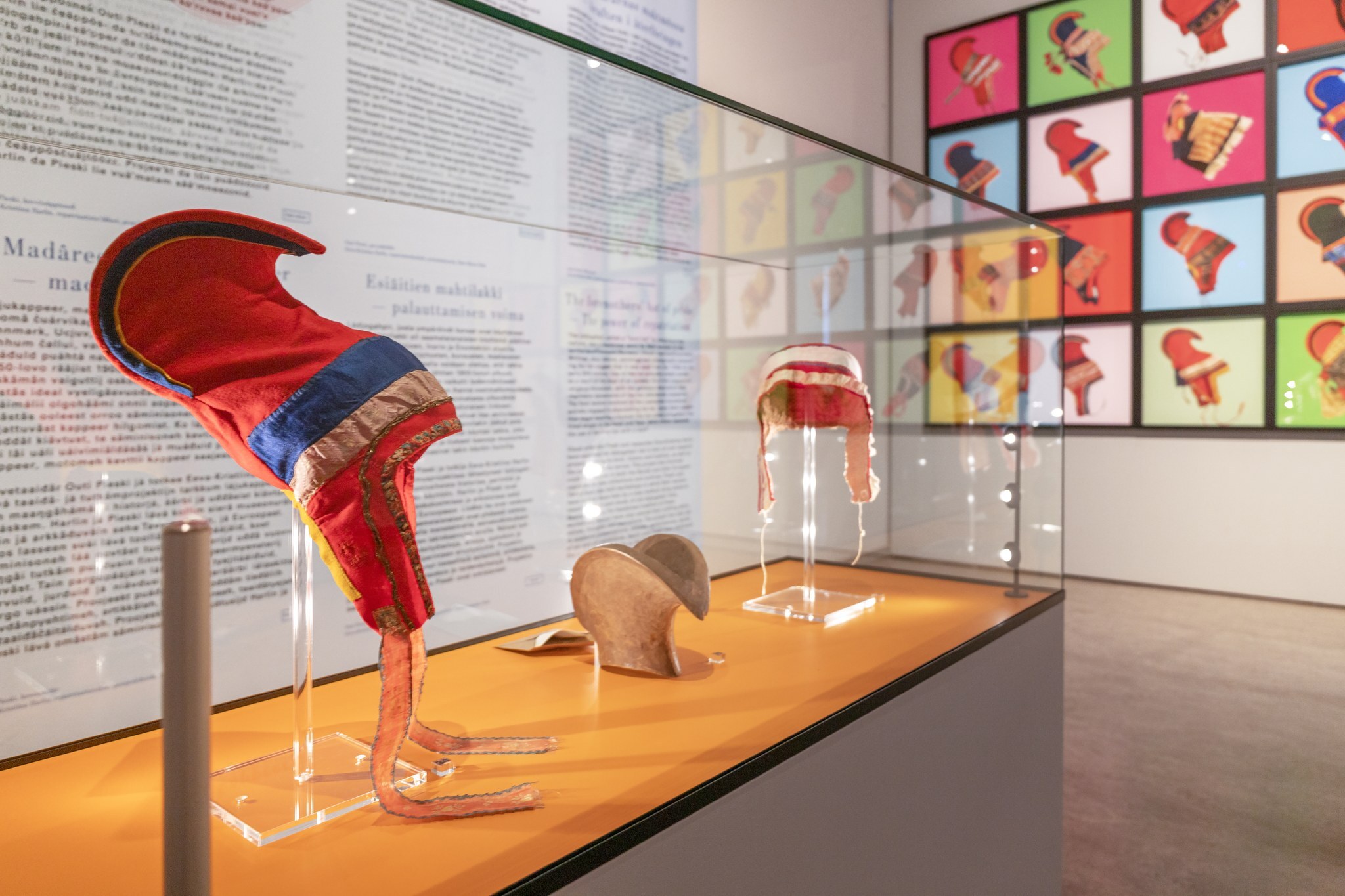
My most important work as an exhibition designer has been the Mäccmõš, maccâm, máhccan – Homecoming at the National Museum of Finland, which dealt with the repatriation of Sámi artefacts. It was great to be able to follow the work of the curators and makers of the exhibition, such as Outi Pieski and Eeva-Kristiina Nylander, for almost two years. In cultural-historical exhibitions, the order and placement of objects are a key part of storytelling. There I was able to observe the curator’s work and reflect on the role of the space in the exhibition.
Of course, the role of the curator depends on the project. If it is a holistic installation that the visitor enters, the curator is strongly involved in creating the spatial experience and the world of the work. If, on the other hand, it is a question of commissioning a new work, the dialogue between the artist and the curator plays a key role in the making of the exhibition.
EL: I was one of the curators of the Estonian Pavilion at the latest Venice Architecture Biennale and noticed that the boundaries between the roles of curator, designer and author are very blurred. The question is constantly what to focus on: on the one hand, you want to think about every detail, but the curator's job is to see the whole and tell the story. In hindsight, it feels like we fell between different roles.
EL: You are currently preparing a doctoral dissertation. How do you tap into your curating experience here? What role does the exhibition format play in architectural research?
KK: I’m writing a monograph on public space and the design practices of urban space, and my goal is to include observations I have made while doing exhibitions. Identifying the connections between exhibitions and research is an important and topical issue for me at the moment.
I have, indeed, found several links. First, the exhibition can be seen as a tool for sharing research data; it creates an opportunity to examine the research topic from different perspectives and make research understandable in many ways. Secondly, the making and curating of exhibitions always is research, or at least it involves research elements: collecting material, reading, and thinking about selected contents as a spatial entity. Space enables dialogue between texts and works, which can generate new perspectives and ideas. At exhibitions, the audience is invited in the midst of a research situation. Such a dialogue can create a debate that would not be generated by a research article or a seminar presentation alone.
"The curating of exhibitions always is research,
or at least it involves research elements."
I realise that the architect's background influences my work as a curator – I focus on the space through which I "translate" research questions into spatial experience. In addition, the making of an exhibition is archiving information. Through the exhibition, knowledge becomes part of the cultural-historical story, but it is also a tool for debating architecture and bringing to the discussion important topics that have previously received less attention.
EL: Architects have their own language for translating information into spatial form: drawings, illustrations, scale models. However, this language is merely understood by architects, and an exhibition by an architect may remain distant to the viewer. You have collaborated with both artists and architects on exhibition projects. What differences and similarities have you identified?
KK: One of the main differences is that art is usually made to be seen and stimulate conversation. A work of art, whether a painting or a performance, is made for the public to see, to attract attention. Architecture, on the other hand, is almost always designed for use and in a precise location: a library, a residential building, or a city is built for the needs of everyday life. In general, architecture cannot be presented as such in an exhibition in the same way as a work of art. When making an architectural exhibition, the architecture is taken out of context and placed in the exhibition space, which means that its original idea has already changed. The artwork, on the contrary, is at home in the exhibition space.
I have also found that artists are more skilled at using metaphors and referring to abstract questions with material clues, while architects often like to look at things as they are. However, I don’t want to draw a strict line between art and architecture. At their crossroads, fascinating things are happening at the moment.
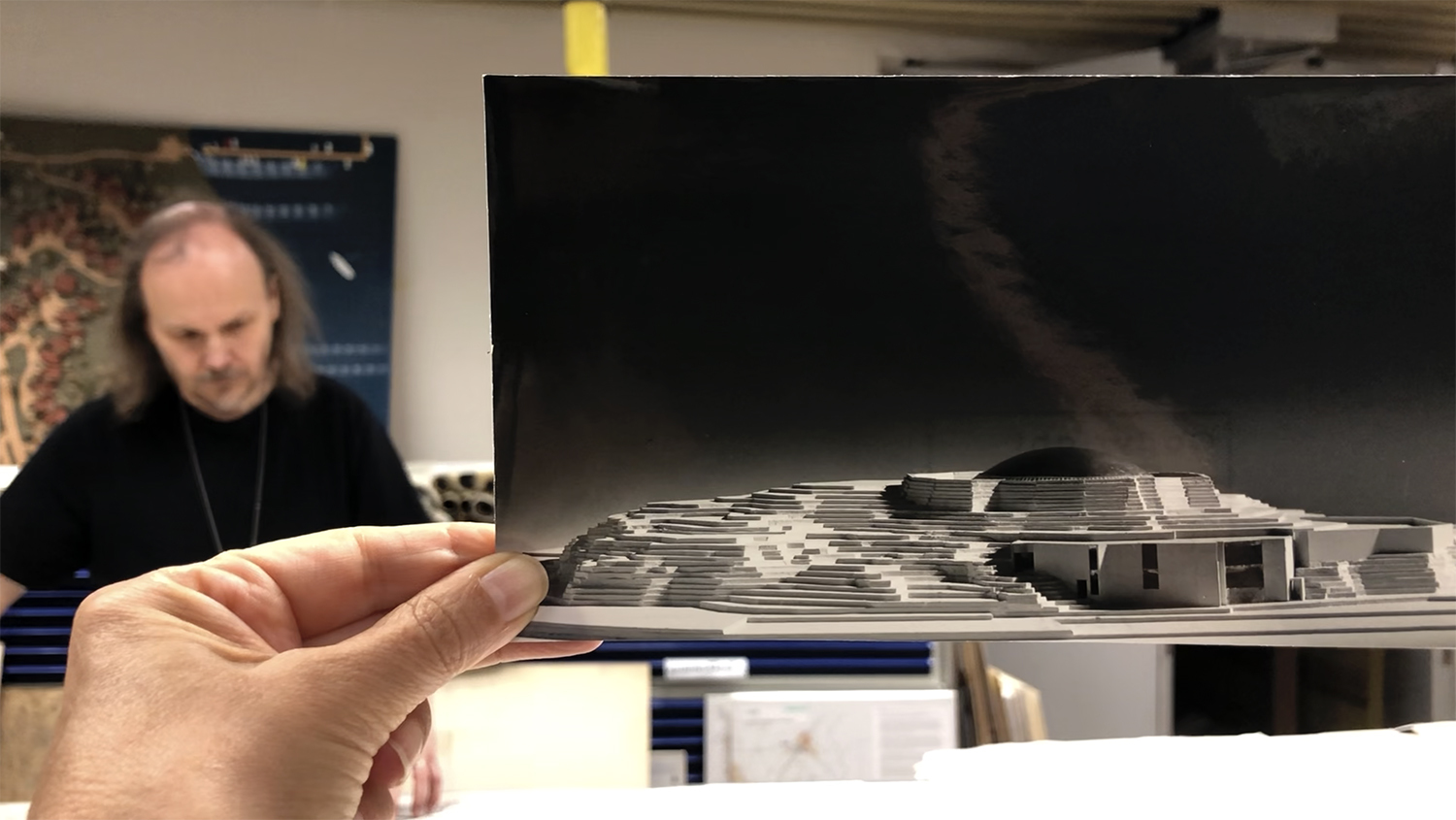
EL: Who is the architecture exhibition for? How to turn everyday spaces into an exhibition that also appeals to a wider audience?
KK: Architecture exhibitions are for everyone – we all live in architecture. Architecture gives an idea of what the physical world is made of. For example, here in the café of the Fotografiska Museum in Tallinn, it is interesting to note that not all the walls around us are new: they contain historical layers from long before our existence.
The exhibitions are different and have different audiences. And when we talk about the Venice Architecture Biennale, it is important to note that it is not a single exhibition but actually consists of almost two hundred separate exhibitions. The Biennale highlights a huge number of different architectural topics and defines what is currently being discussed and from which point of view architecture is being examined. So I think yes, the Biennale needs to be open and accessible to everyone, but it is especially important for the field of architecture and architects.
The Biennale is a place of conceptual thought. It presents an opportunity for creating interdisciplinary connections and exchanging ideas. At the same time, I am aware that the Biennale is not without problems, as exhibitions, for example, have a large economic and ecological footprint. One may also ask whether the rivalry between nation-states is an interesting way to conduct the architectural debate. All of these aspects together place great responsibility on the authors to bring to the exhibition the very topic that is important to discuss now.
I believe that the architecture exhibition is an excellent tool to encourage people to look at the built environment. When you step out of the architecture exhibition, the exhibition experience continues in the urban space and surrounding buildings. With the exhibition, you can also begin to pay attention to ordinary things that shape our daily lives.
"The Venice Biennale highlights a huge number
of different architectural topics and defines
what is currently being discussed."
EL: So, we could say that the exhibition is a media that guides us to notice the surrounding space and its impact on the human being?
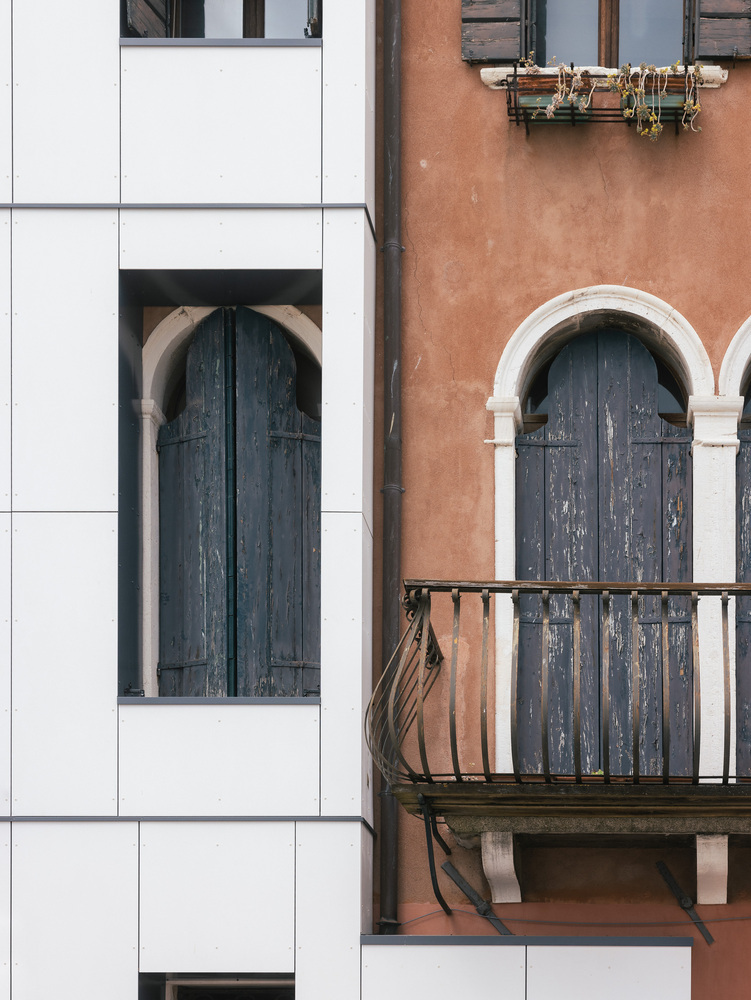
KK: That's right. It also strengthens our understanding that things are interconnected. For example, at the Estonian Biennale exhibition that you curated with Keiti Lige and Helena Männa, Let me warm you, the exhibition object was a façade installation that drew attention to the materials used in the repair. Façade material is often unnoticed in urban space although it affects street space surprisingly much. After visiting your exhibition, I've started to pay attention to façade insulation panels... and now I see them everywhere!
EL: Should every architect do an exhibition?
KK: The architect's daily design work can be quite practical and technical problem solving, but basically the architect's work is philosophical. I think that the architect's ability to be curious and critical about social issues is important. Architectural education provides an understanding that the environment in which we live is man-made and designed by someone, which in turn provides a starting point to question it.
I think it is important not to forget the philosophical, aesthetic and critical aspects of architecture. Not all architects need to do exhibitions, but writing, doing research, and participating in public debate are important in order to be an active part of the rapidly changing world.
EL: The themes of care and stewardship are important to you. Why is that?
KK: After my studies, I have much considered the role of an architect: how we work and operate, and what are the tasks that an architect should take on. I have also delved into feminist theory as a way of discussing space, and in that context, there is a lot of talk about the importance of care, maintenance and repair. These issues are particularly important in a time defined by the ecological crisis. The construction industry plays an important role in this. There is a broader discussion about the role of the architect as a kind of caretaker, where one of their key tasks is to facilitate, diagnose and repair damage related to the built environment.
It is interesting that the word curate comes from the Latin word curare – to take care. Making an exhibition is also maintenance and repair: it brings people together and takes care of the contents of the exhibition, and it highlights things that need attention.
"It is interesting that the word 'curate'
comes from the Latin word curare – to take care."
EL: The raising of environmental issues and the preservation and repair of the built environment are indeed increasingly topical issues. How does all this affect the work of the architect?
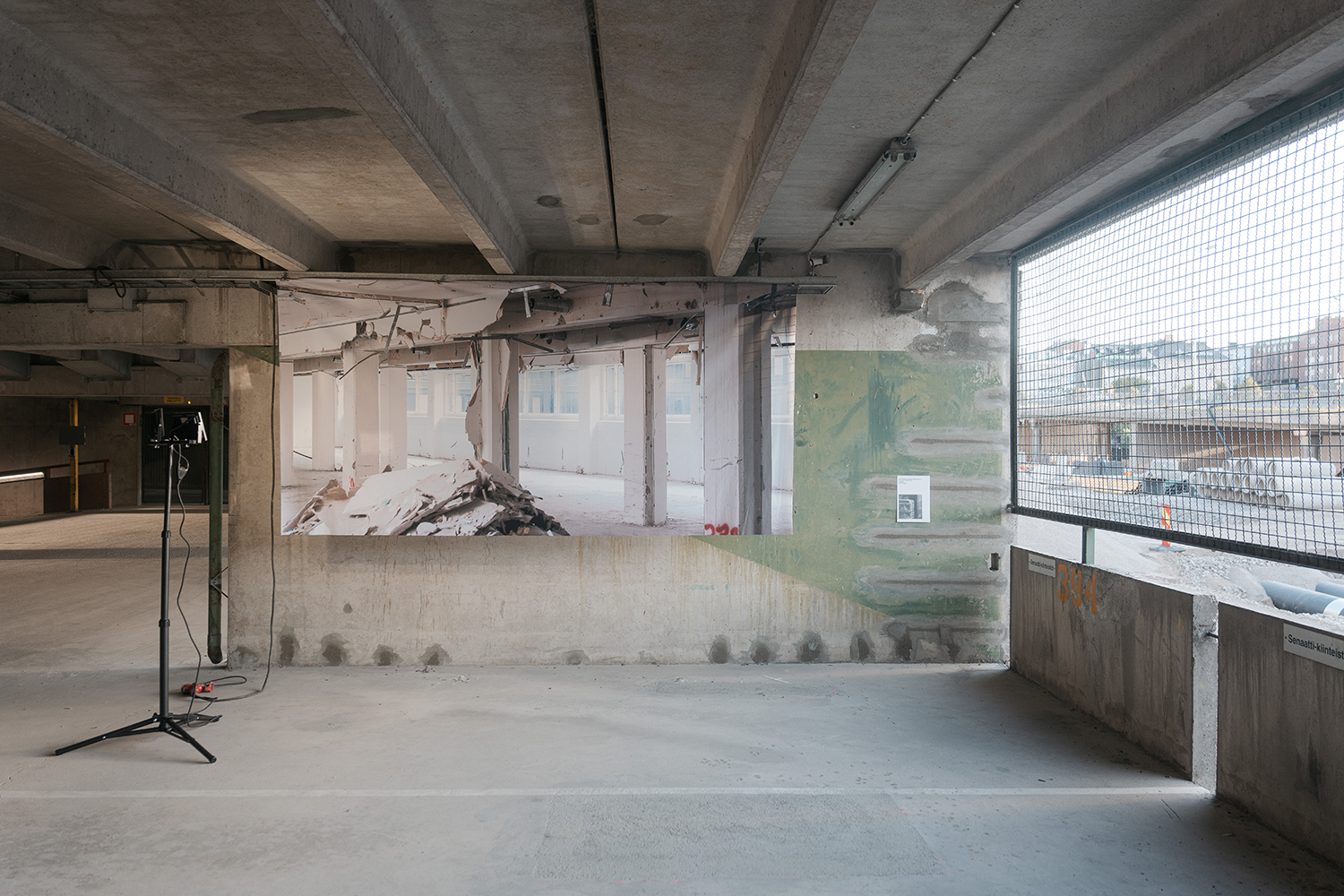
KK: I believe that the more the sustainability perspective is brought forward in discussions and exhibitions, the more likely it is that it will also be reflected in practice. At the same time, the work of the architect working on repair gains appreciation. Architects already feel these things are important, and a more multi-level approach to modern architecture and its preservation has already begun. Also in Finland, there are several projects that have addressed these issues. One example is an exhibition I made together with Karita Rytivaara, Stripped Frame, which dealt with the demolition of modernist buildings of the 1960s and 1970s.
If we architects are in favour of preservation and are able to imagine different options for carrying out repair, perhaps the laws will also be changed and public opinion will shift – the views of the architects will help guide the development of the field.
EL: In your work, you have delt with modern architecture and the fact that our built environment is still based on the ideals of modernism. But what are the ideals of the future and how can the present environment contribute to them?
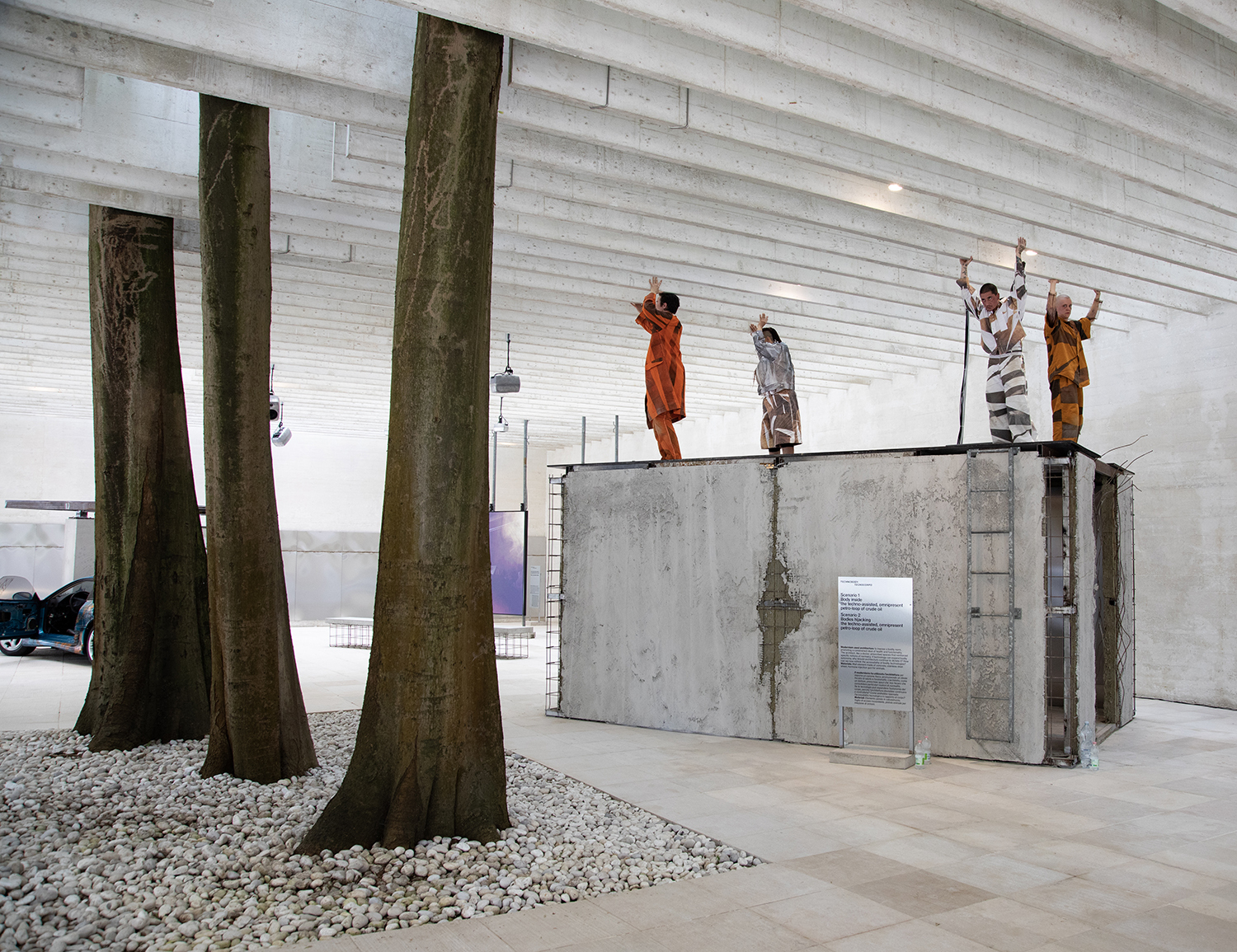
KK: In creating and reimagining ideals, collective discussion and doing are important. In the Nordic Countries Pavilion exhibition at the Biennale Architettura 2025, Industry Muscle – Five Scores for Architecture, we created with performance artist Teo-Ala Ruona and his team a kind of manifesto for future architects to examine modern architecture.
Modern architectural heritage in Finland accounts for almost 80 percent of the country's building stock. The manifesto was condensed into five scores – kind of proposals or assignments: Impurity, Reuse, Decategorisation, Performance, and Techno-body.
"In the Nordic Pavilion exhibition, we created
a kind of manifesto for future architects
to examine modern architecture."
EL: The values defined in the exhibition are fascinating and offer a new perspective for assessing the environment and its impacts. Where did these concepts come from?
KK: The exhibition’s calls to action, or scores, are kind of assignments for architects borrowed from the field of performing arts. Such exercises guide the performance artist's work: for example, a score can be something like walking around the city without anyone seeing you. Inspired by this form of work, we wrote thought exercises that architects could follow in their work. They do not limit the architect, but rather aim to bring out a new perspective on the examination of modern architecture; to refine or change the way of looking at it.
Reuse encourages the re-use of materials and concepts. Performance explores how architecture and spatial design shape behaviour based on gender and identity. Impurity, on the other hand, commented on how modernist architecture was based on the ideal of purity, lightness and novelty, but now we should be able to also appreciate imperfection and impurity. Decategorisation challenges the prevailing practices in the built environment based on classification and segregation. Techno-body defends body autonomy but also recognises the dynamic interaction between body, building and technology.
These are examples of thought exercises that architects could do.

EL: Society is changing, and every generation is different. Young people today are much more alert and tolerant than before. However, they also live in an environment shaped by the ideals of modernism. How are social changes reflected in architecture?
KK: The current changes are really big. Architecture filters life in the form of buildings and at the same time gives it a platform. In this way, architecture has also contributed to shaping our lifestyles and society. Current issues are reflected in architecture. I believe that in the field of architecture, we are increasingly looking at its relationship not only to ecological thinking, but also to mental health, for example. Currently, there is a lot of greenwashing in the construction field, but the younger generation is much more knowledgeable in this regard, so development will certainly take a new direction. Young architects also identify more links between politics, the built environment and well-being.
"Young architects identify more links between politics,
the built environment and well-being."
EL: Will the approach to modern building heritage be easier in the future? It will inevitably be a large part of today’s young professionals’ work, and preserving the existing building stock becomes increasingly important.
KK: I believe that the architects of the future will have to solve completely different design tasks than we have had to, and education plays a big role in that. It is important to pay attention to what the teaching is focusing on.
EL: It will not be long before the buildings built in the last 10–15 years are in need of renovation. Today's construction technology is complex and houses are built of multi-layer materials. How should architects view them? How should such buildings be cared for?
KK: Buildings – much as, say, phones – are increasingly complicated hybrids. New technology is important, but I think that architects should try to understand how the building works, remain experts in construction. The more technology and AI there is in a building, the weaker the position of architects – unless they understand its logic at least in principle. The need for an architect can begin to be questioned; however, architects are those who are expected to be able to explain what is happening in the built environment.
EL: Your next major work will be curating the Finnish Pavilion exhibition at the 2027 Venice Architecture Biennale. What are you going to do differently than last time?
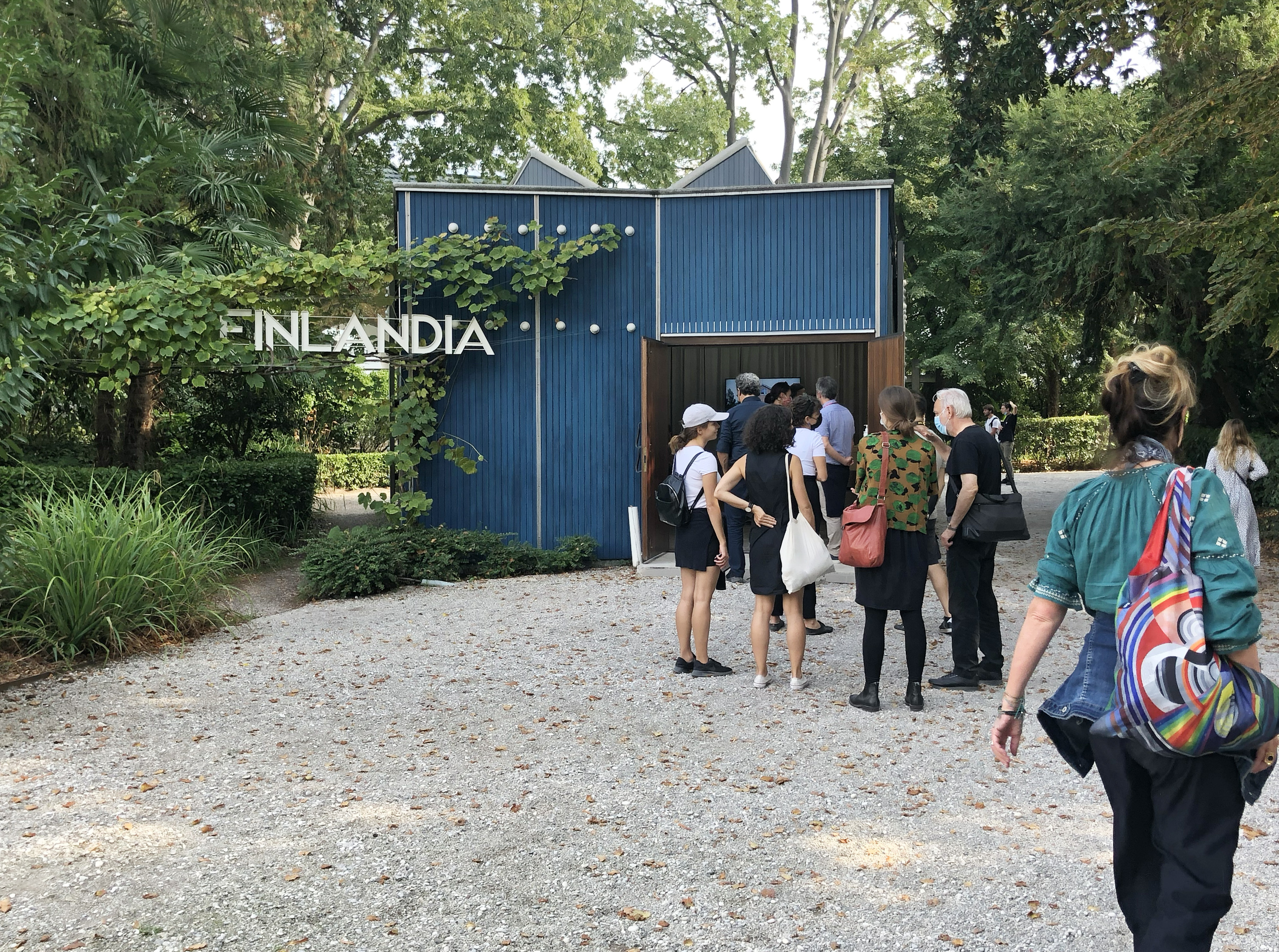
KK: The starting points of the project are different. Our working group is smaller, and also the space itself, the pavilion designed by Alvar Aalto, is smaller than the Nordic Pavilion. The two pavilions are also very different in terms of materials and openness; the Pavilion of Finland is more intimate. I feel that, in some way, this work process is also more intimate.
EL: You were invited to be the curator by direct commission. Is this procedure common in Finland?
KK: For the past three Biennales, the Finnish Pavilion has held an open call for curators, but previously the curator has been assigned directly. This year, the organiser’s goal was to delve into the structures of exhibition curating and develop architectural curating. My experience with the previous Biennale was an advantage. One of the goals of this project is to document the curating and production process so that it will also be useful in the years to come.
Read the original Estonian language article in Sirp (March 2026)
Read about Kaisa Karvinen’s appointment as curator (December 2025)
Further information about the Pavilion of Finland’s exhibition at the Biennale Architettura 2027 will be published during autumn 2026. The 20th International Architecture Exhibition will be open to the public from 8 May to 21 November 2027.
Read about the Biennale Curators Wang Shu and Lu Wenyu
Read more about the Biennale Architettura 2027 theme
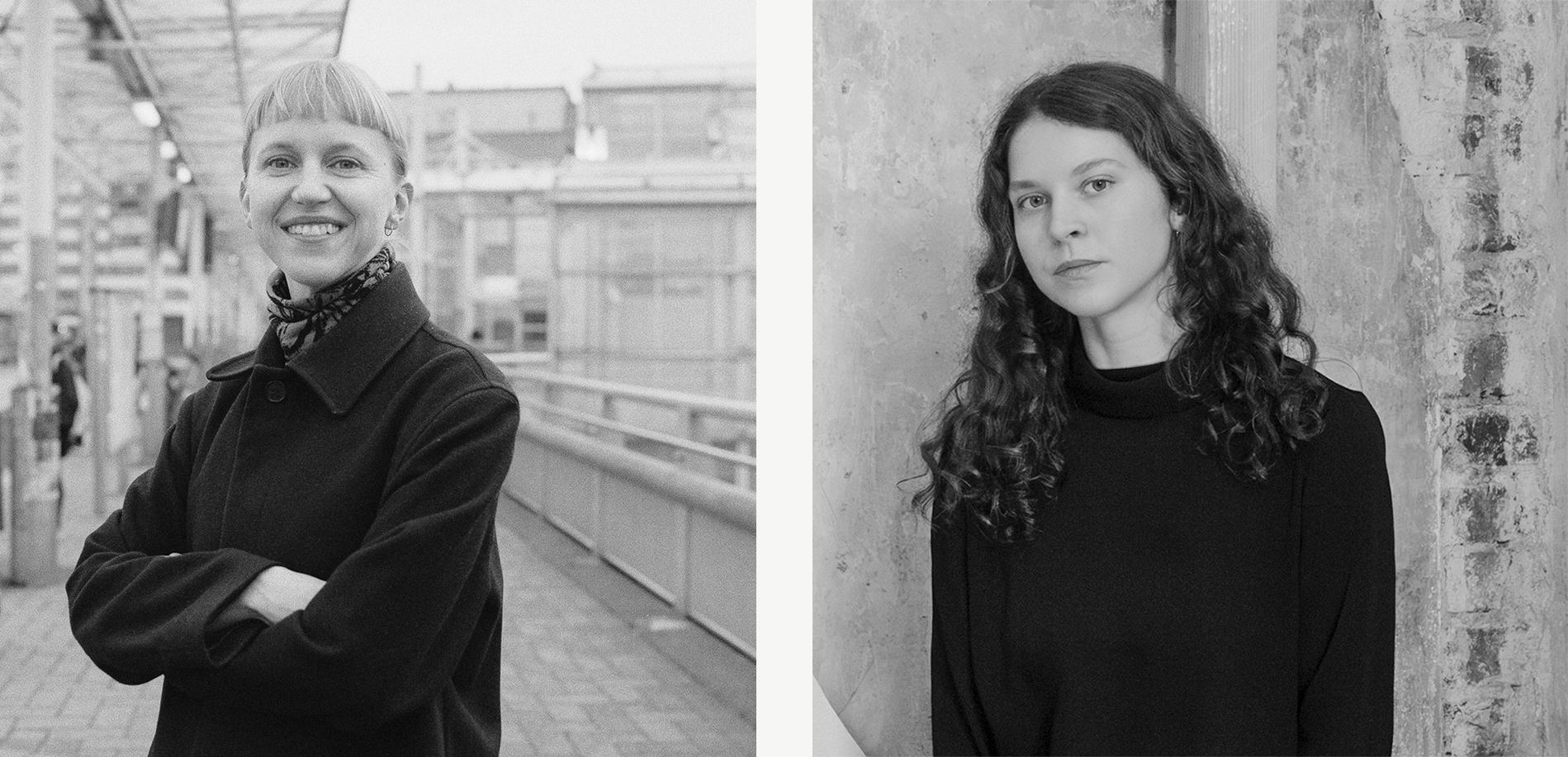
Kaisa Karvinen is an architect, researcher and curator who is preparing a dissertation in the Oulu School of Architecture at the University of Oulu. Karvinen curated the exhibition Industry Muscle – Five Scores for Architecture, produced by Architecture & Design Museum Helsinki, for the 2025 Venice Architecture Biennale. Karvinen is currently curating the exhibition of the Finnish Pavilion for the next Biennale in 2027.
Elina Liiva is an Estonian architect, researcher and curator. Liiva curated Estonia’s exhibition Let me warm you for the 19th International Architecture Exhibition of La Biennale di Venezia in 2025. She is currently conducting research at the Estonian Academy of Fine Arts, as part of a research group examining the role of repair in Estonia's climate goals.