Aalto Works inscribed on the UNESCO World Heritage List

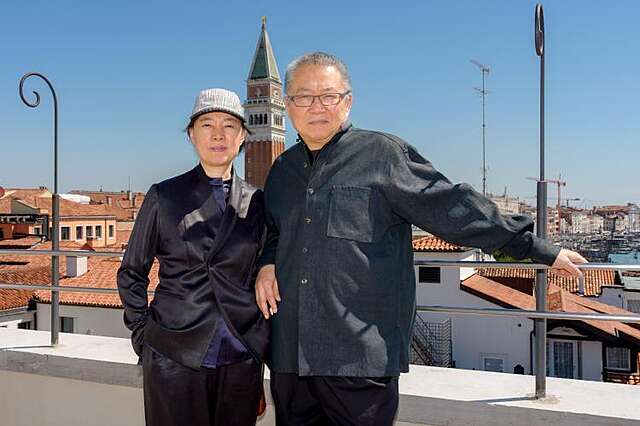
photo: Eva ja Pentti Ingervo / Alvar Aalto Foundation
The UNESCO World Heritage Committee has decided to inscribe the series of thirteen Aalto-designed works on the World Heritage List at its session held on 26 July 2026. Aalto Works is Finland’s eighth World Heritage Site.
The Aalto Works serial property was inscribed on the UNESCO World Heritage List in Busan, South Korea, on 26 July 2026. The property comprises thirteen sites of modern architecture by Alvar, Aino and Elissa Aalto, located across Finland.
The Aalto Works series represents the Aaltos' human-centred approach to design and modernist architecture, while also emphasising the development of the Finnish welfare state. The nomination for inclusion on the World Heritage List was placed by the State of Finland. On behalf of the State, Minister of Science and Culture Mari-Leena Talvitie said that she believes the inscription will raise the international profile of Finnish architectural expertise and strengthen long-term commitment to safeguarding cultural heritage. The international recognition is also predicted to encourage visitors from Finland and abroad to travel to and explore the Aalto sites.
The Aalto Works series comprises the following sites:
Paimio Sanatorium, 1929–33, Paimio
The Aalto House, 1935–36, Helsinki
Villa Mairea, 1938–39, Pori
Säynätsalo Town Hall, 1949–52, Jyväskylä
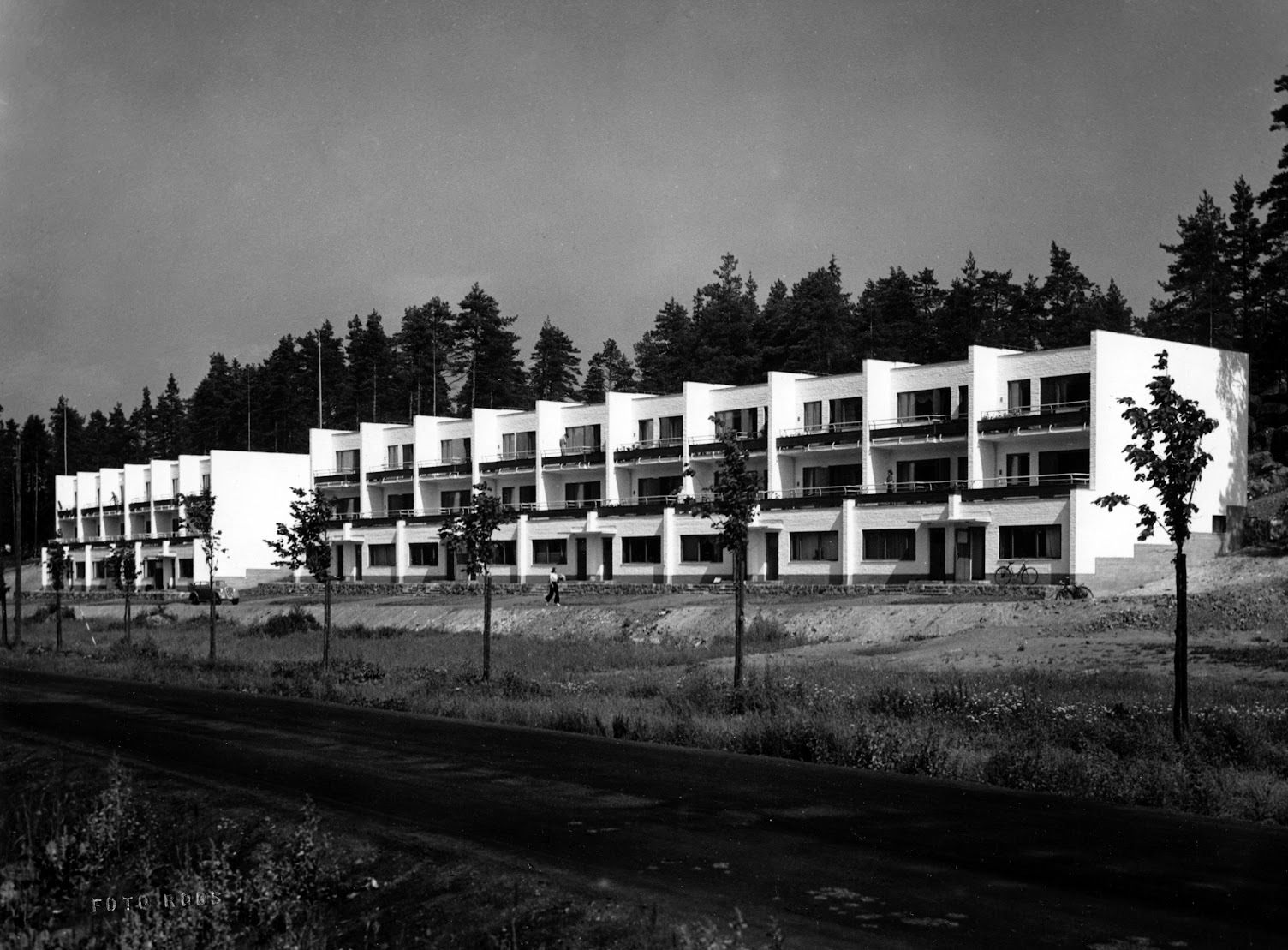
Sunila Pulp Mill Residential area, 1936–38, 1947, 1951–54, Kotka
Muuratsalo Experimental House, 1952–54, Jyväskylä
National Pensions Institute (Kela), 1953–57, Helsinki
House of Culture, 1952–58, Helsinki
Church of Three Crosses, 1956–58, Imatra
Studio Aalto, 1954–55, 1962–63, Helsinki
University of Jyväskylä, Aalto campus, 1951–71, Jyväskylä
Finlandia Hall, 1962/1967–75, Helsinki
Seinäjoki Civic Centre, 1951–87, Seinäjoki
Towards World Heritage status
The UNESCO World Heritage Committee consists of representatives of 21 States Parties, which decide on the sites to be included on the World Heritage List. The Committee’s responsibilities include evaluating new nominations and monitoring the state and protection of World Heritage properties.
Before nomination, a property must be included on a State Party’s Tentative List, which is revised approximately every ten years. The Tentative List includes sites considered to have Outstanding Universal Value (OUV) and that may be nominated for inscription on the World Heritage List in the future.
The Sunila factory and residential area, as well as Villa Mairea, were proposed for inclusion on Finland’s Tentative List already in 1986. However, it was not until 2004 that the first Aalto site, Paimio Sanatorium, was added to the List. The serial property comprising Aalto’s architecture was added to the national Tentative List in 2021.
The preparation of the Aalto Works nomination began at the request of the Ministry of Education and Culture. The work was carried out by the Finnish Heritage Agency in collaboration with the Alvar Aalto Foundation and ICOMOS Finland as well as the owners and cities of the Aalto sites and various authorities. The Aalto Works proposal was submitted to the UNESCO World Heritage Committee on 1 February 2025.
Finland became a signatory of the UNESCO World Heritage Convention in 1987. The aim of the Convention is to identify, protect and preserve cultural and natural heritage. Since joining the Convention, eight Finnish sites have been inscribed on the World Heritage List: seven cultural heritage sites and one natural heritage site. These are Suomenlinna (1991), Old Rauma (1991), the Petäjävesi Old Church (1994), the Verla Groundwood and Board Mill (1996), the Bronze Age Burial Site of Sammallahdenmäki (1999), the Struve Geodetic Arc (2005), the Kvarken Archipelago (2006), and the latest addition, Aalto Works.
With the latest inscriptions in July, the total number of properties on the UNESCO World Heritage List has risen to 1,273. Yet only a dozen of them represent modern architecture. These include works by Le Corbusier, Oscar Niemeyer, Gerrit Rietveld, Walter Gropius, Ludwig Mies van der Rohe – and now, Alvar, Aino, and Elissa Aalto.