AD Museum's new exhibition reminds us to pause and reflect on wellbeing

Paavo Lehtonen
How can architecture and design improve wellbeing? The question is explored in the Shapes of Wellbeing exhibition at Architecture & Design Museum Helsinki, highlighting Aino, Alvar and Elissa Aalto’s belief that wellbeing emerges from a balance between people, nature, and the built environment.
The Shapes of Wellbeing exhibition, which opened at the Architecture & Design Museum Helsinki on 5 June, presents Aino, Alvar and, later, Elissa Aalto's commitment to incorporating human wellbeing and emotional intelligence into design. This was exceptional in the 1930s, a period when the emphasis was on efficiency.
“The Aaltos understood design as comprehensive practice. Materials, details, light and sensitivity to environment were not separate elements of architecture but essential starting points,” says the museum's Exhibition Curator Jutta Tynkkynen, who curated the exhibition together with Head of Research Petteri Kummala.
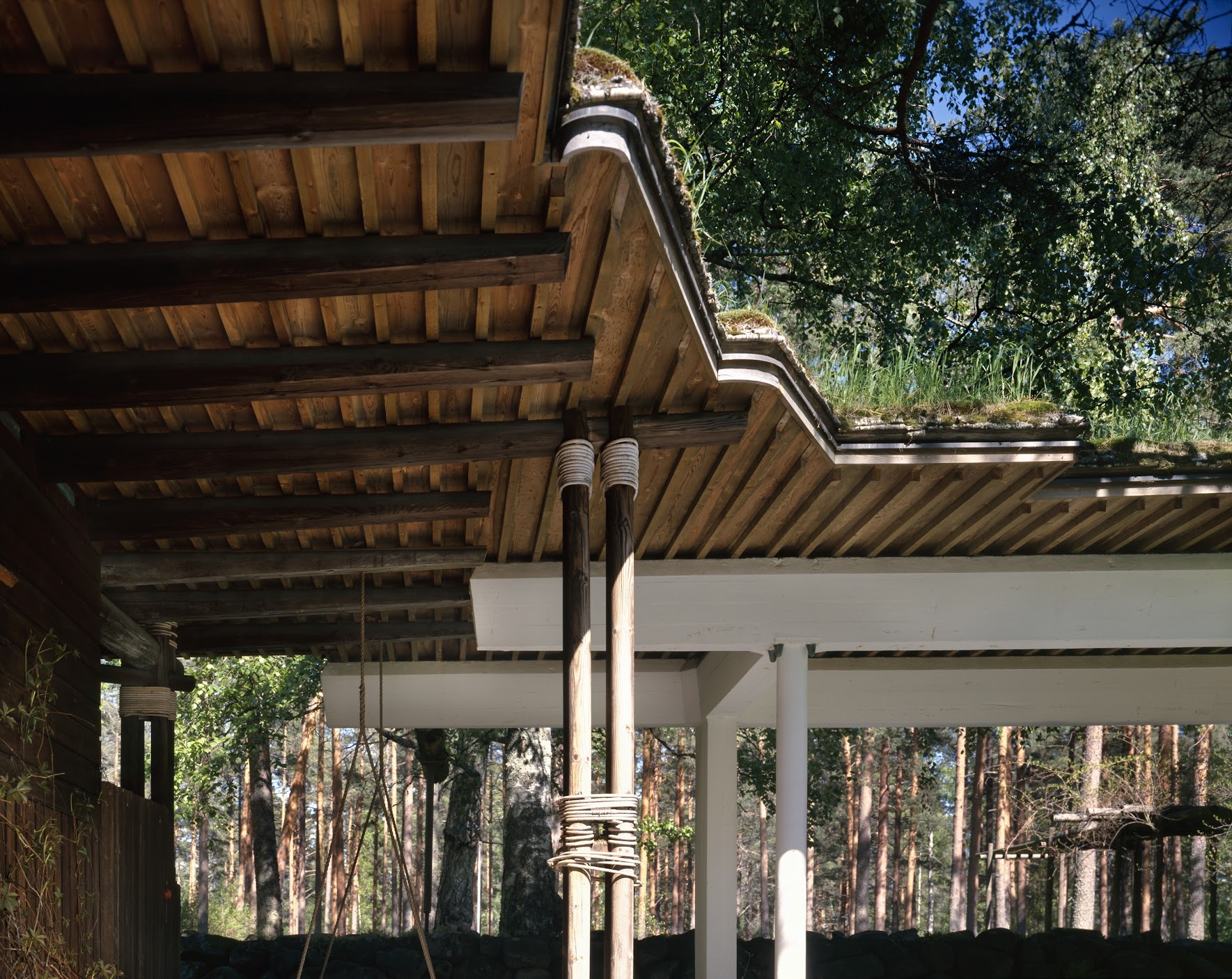
The Aaltos believed that a connection with nature had a significant impact on human health. For this reason, the boundary between nature and the built environment was often obliterated in their projects. Nature extends indoors through materials, light and organic forms. Villa Mairea and Paimio Sanatorium are key examples of the dialogue between nature and the built environment in the exhibition.
Participatory exhibition opens up new perspectives
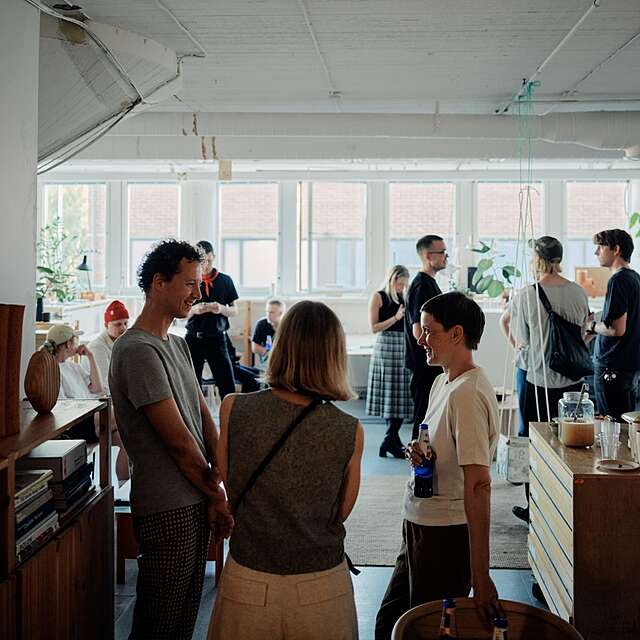
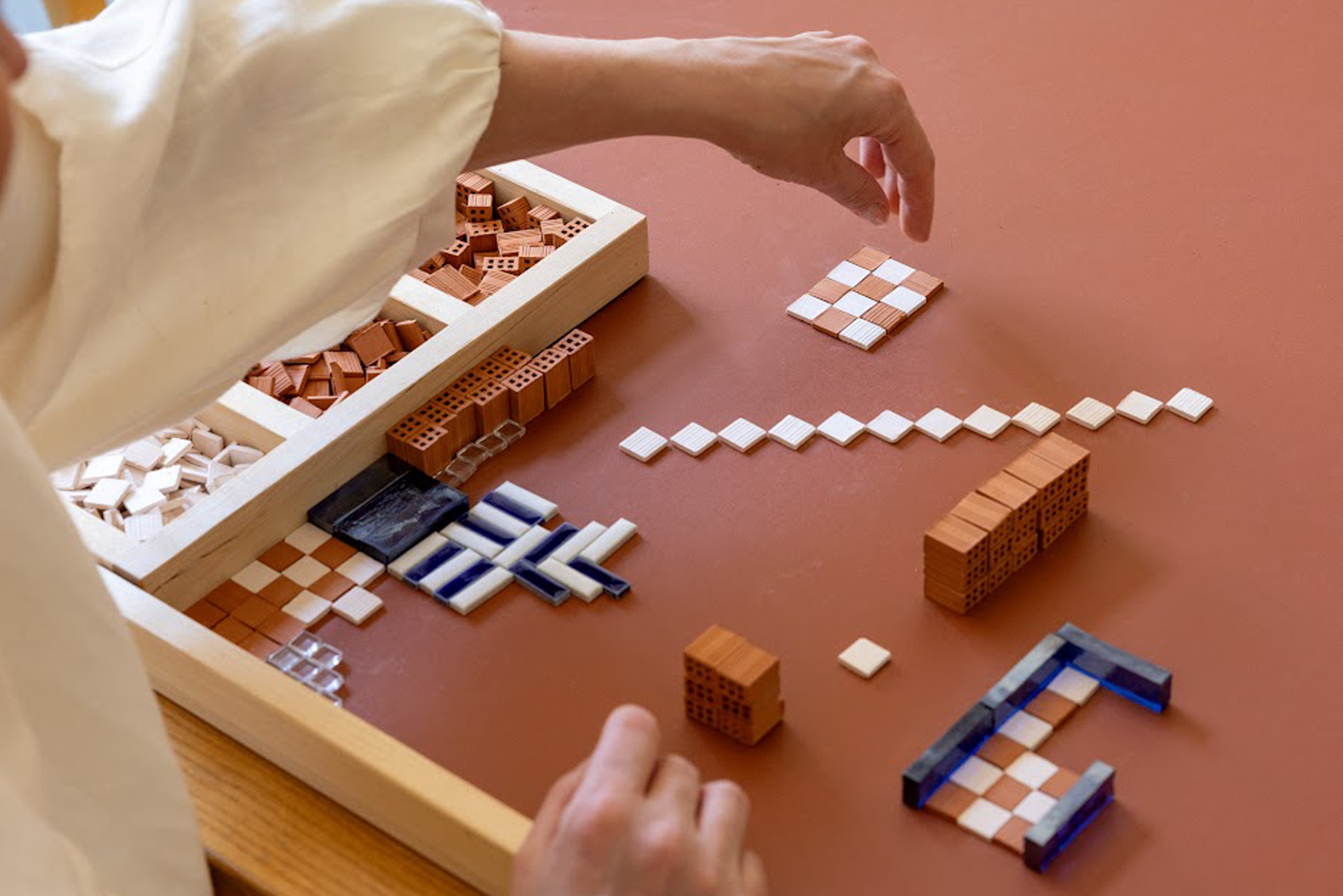
The exhibition examines wellbeing through the lens of the Aalto classics and emphasises their sensory design ideology. Unlike traditional exhibitions, visitors can touch the displayed materials and elements and even build from them.
The interactive section stands out by offering the opportunity to explore and experiment with different materials with your own hands. In addition, it supports the exhibition's theme of wellbeing. Material samples attract regardless of age.
Although numerous exhibitions have been dedicated to the Aaltos, this exhibition still offers new insights. One example is Other Actors, a video installation by the London-based artist-researcher Ilona Sagar, which examines the relationship between the human body, health and the built environment at Paimio Sanatorium. The topic can be explored further with the Aalto Design – Shapes of Wellbeing book, which includes Alvar Aalto’s own writings as well as an essay from Eeva-Liisa Pelkonen, Professor of Architecture at Yale university.
The Aaltos' thoughts continue to resonate
The strength of the exhibition lies in its relevance. At a time when slowing down and prioritising wellbeing are increasingly valued, design should continue to be rooted in supporting people’s health. These considerations are easily overshadowed by haste and financial goals. The exhibition takes visitors back to the foundations of design and humanity.
The exhibition invites reflection on what can be still learned from the Aaltos' mindset today, as many people are searching for ways to pause on wellbeing amid constant hurry and uncertainty.
The exhibition’s topicality is highlighted by the fact that a series of thirteen Aalto sites are currently being nominated for the UNESCO World Heritage List.
Although the exhibition does not offer significant new discoveries, it is timed correctly, which attracts visitors. Shapes of Wellbeing serves as a reminder that good design does not arise from efficiency or financial goals alone, but through a holistic understanding of the human being.
Emmi-Eerika Viita is a fourth-year architecture student from the University of Oulu and, this summer season, Archinfo's communications intern.