Snøhetta designs Paimio Sanatorium’s transformation into a wellness hotel

Snøhetta
The Paimio Sanatorium Foundation has unveiled its plans for the future use of the iconic building. Its transformation into a hotel, spa, and conference centre will be designed by a team led by the Norwegian architectural office Snøhetta, together with the Finnish firms ALA Architects and Architects Mustonen.
Finland's next UNESCO World Heritage Site inscription is expected at the end of July 2026. The proposed serial nomination, Aalto Works, comprises thirteen key projects designed by the Aalto office. Among them is the Paimio Sanatorium, completed in 1933, a landmark of Functionalism and the international breakthrough of Alvar and Aino Aalto.
Since the termination of hospital operations in the mid-2010s, the building has been waiting for a new permanent use. According to Mirkku Kullberg, Chair of the Paimio Sanatorium Foundation, the complex is too large to function merely as a museum. Its heating and maintenance costs alone are enormous, amounting to around a million euros per year.
In November 2025, Finland’s Ministry of Education and Culture granted EUR 10 million for the sanatorium’s repair and maintenance. However, this funding alone is insufficient. For this reason, the new use of the sanatorium is being planned so that it can become an attractive investment opportunity for financiers while ensuring that its commercial operations are profitable.
Transforming a modern architecture icon carries responsibility
The new use as a spa hotel and conference centre has been developed throughout the spring of 2026 under the leadership of architect Kjetil Trædal Thorsen, founding partner of the Norwegian architectural firm Snøhetta, together with project architect Julie Aars.
Snøhetta was selected through a procurement process in which negotiations were held with around twenty Finnish and international architectural practices over several months. According to Kullberg, the Norwegian office was chosen for its impressive portfolio, including the Oslo Opera House, among others, and its sensitive and respectful approach to the Aalto legacy.
However, according to Kjetil Trædal Thorsen, taking on the commission was not an obvious decision and required considerable reflection.
“It is one thing to use an icon of modern architecture like this as an inspiration in your own work, but it is a completely different thing to start touching it, to get involved. At first, we were quite afraid of the project,” says Trædal Thorsen.
“On the other hand, when we thought about the young Aaltos in their thirties designing Paimio and the creativity that came out of their young office, we found a connection with our own practice, which we founded at roughly the same age. The architecture of the sanatorium reflects the playful modernism of the young Alvar and Aino Aalto.”
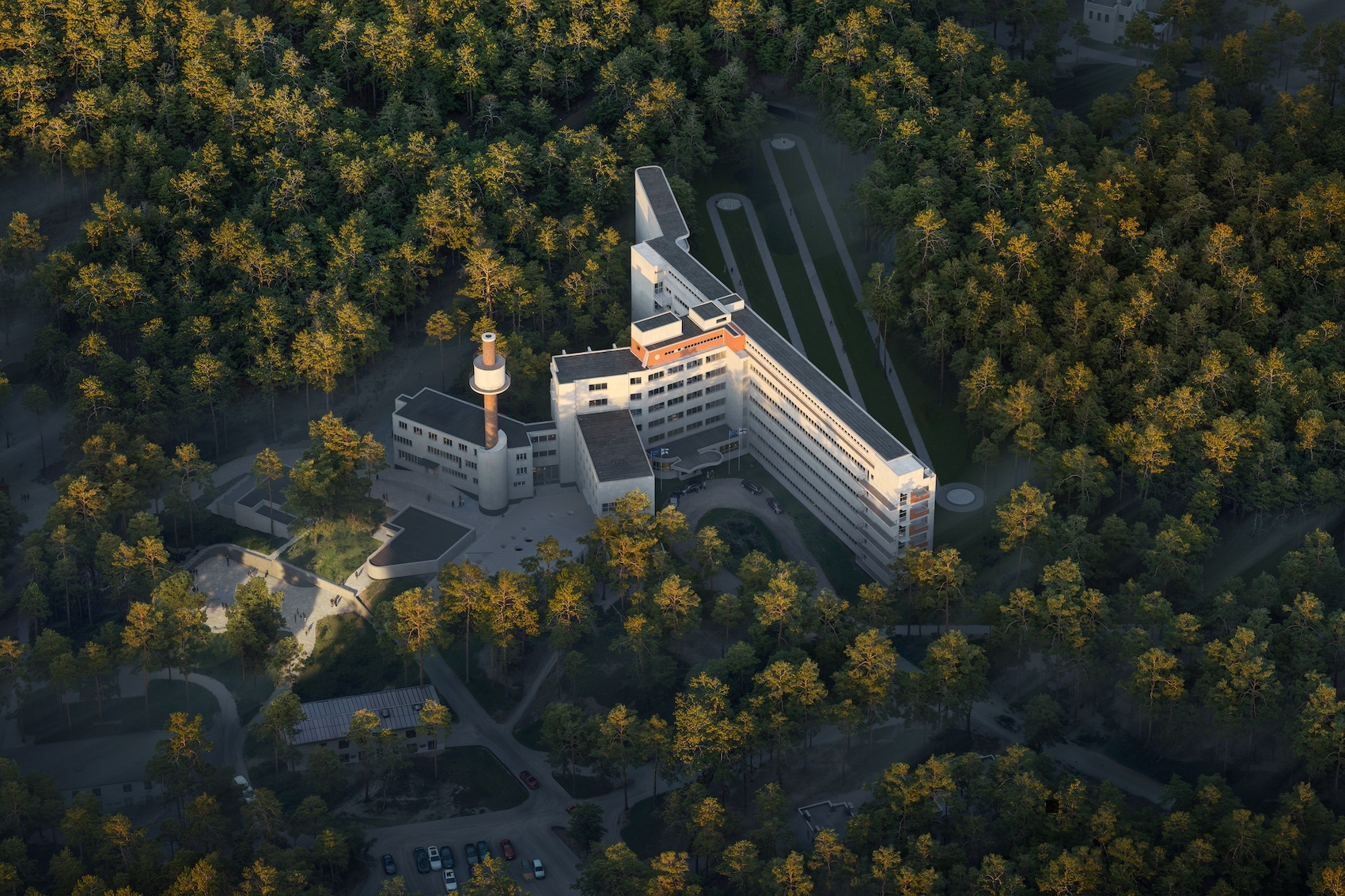
The architect says that he admires Alvar Aalto’s visionary outlook.
“It was not limited to his ability to create a total work of art down to every detail; it even extended through time. He must have been able to envision the pine trees – that are essential to the sanatorium – as fully grown, reaching the height they have today, even though they were only small saplings at that time,” says Trædal Thorsen.
“I like to think that perhaps Alvar and Aino even had discussions over the building’s future; that perhaps one day it would no longer serve as a sanatorium but would be reinvented as something else.”
Towards a new use with gentle changes
Local expertise in the design group is provided by ALA Architects and Architects Mustonen. Architect Tapani Mustonen has played a key role in the restoration of another pioneering work by the Aaltos from the same era, the Viipuri Library.
To be viable, a building must continue to evolve over time. How does an architect specialising in the restoration of Aalto buildings feel about adapting the Paimio Sanatorium to a new use?
“Design work is a balancing act between the old and the new that respects the old. The collaboration of the working group has been rewarding; in the end, it all comes down to people. We have had the opportunity to work in a genuinely enthusiastic and inspiring atmosphere,” says Tapani Mustonen.
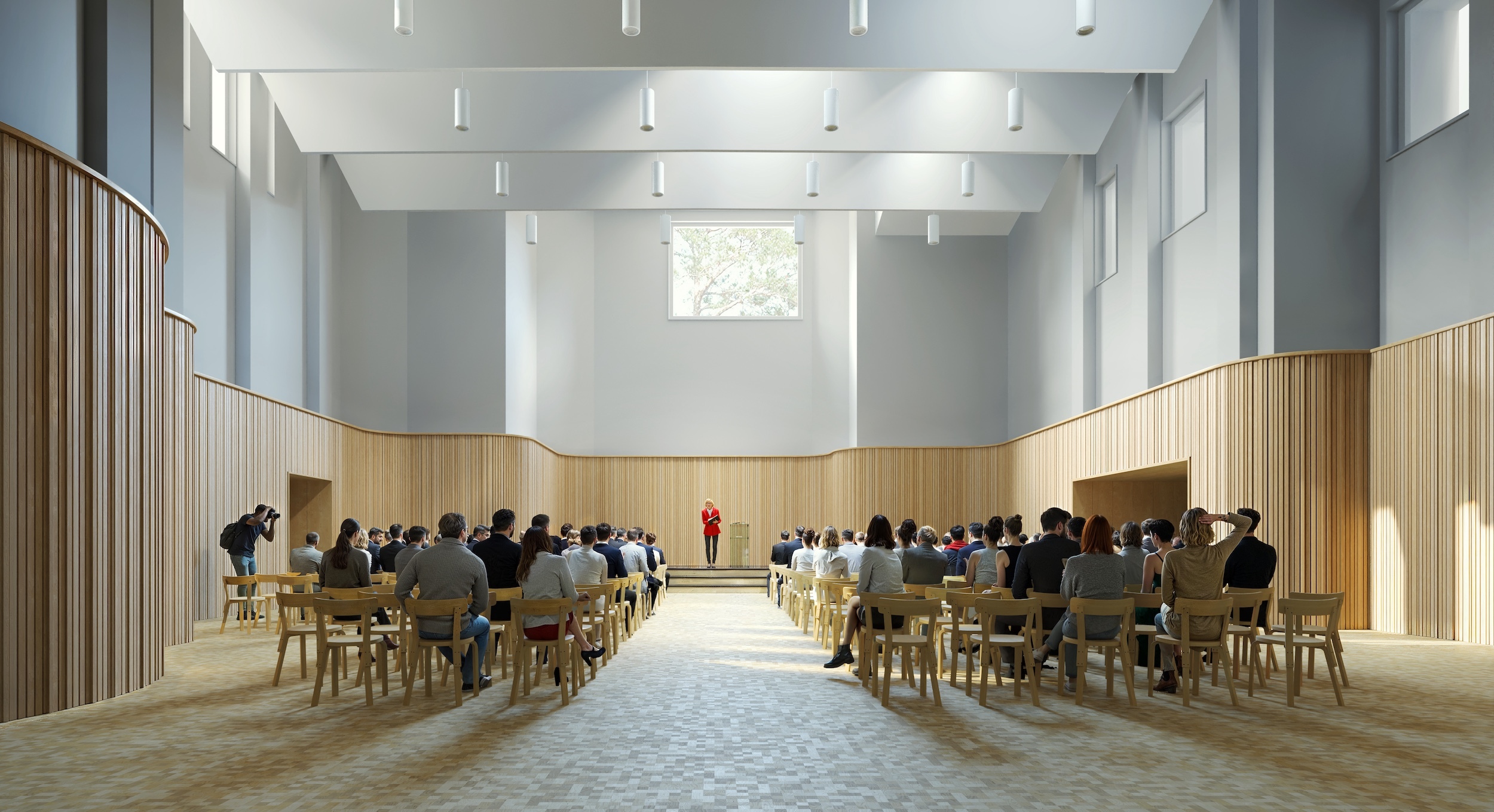
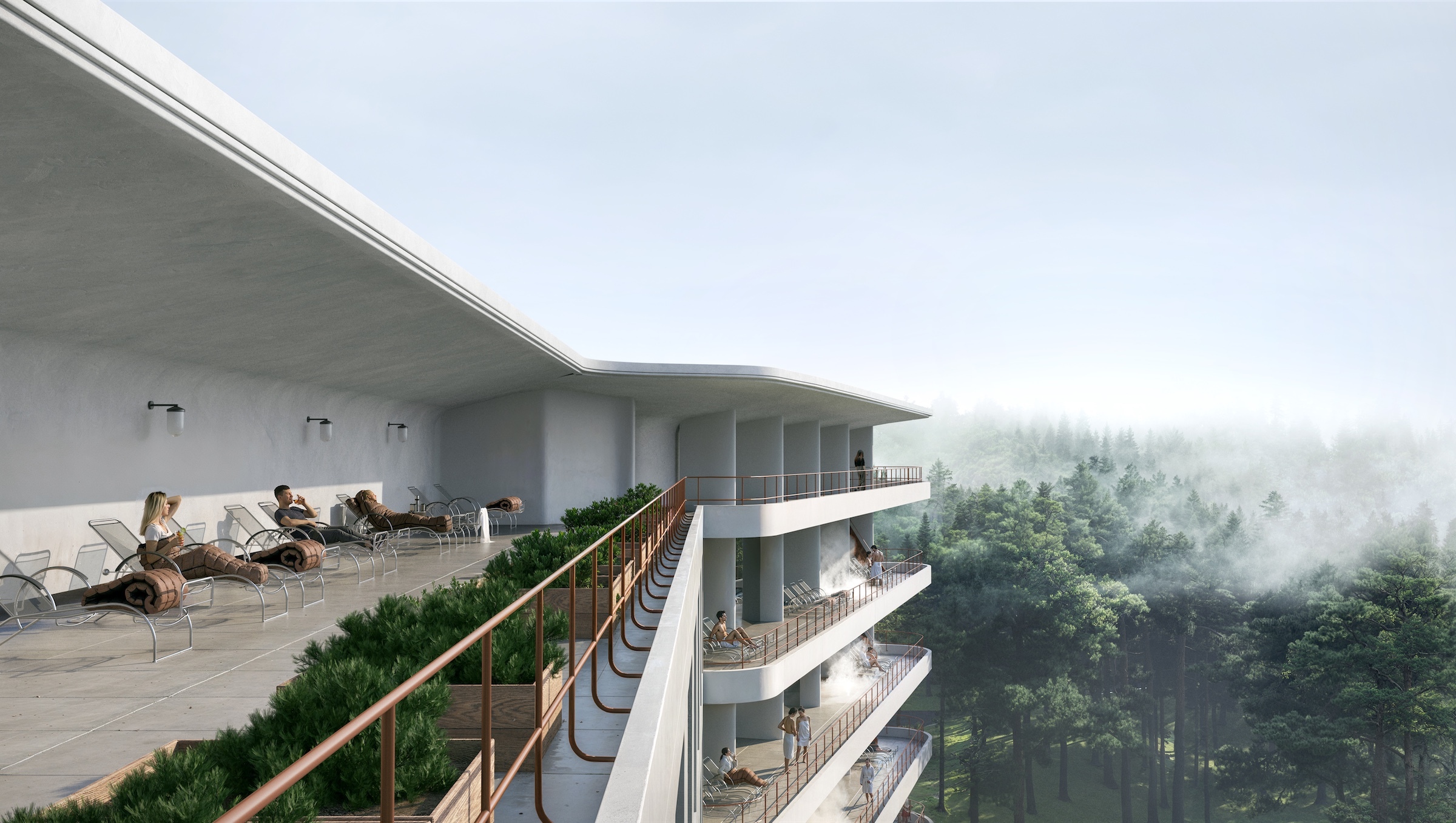
The first phase of the masterplan consists of five relatively light interventions. On the side of the building, a new entrance will be opened for day visitors and conference guests. The former operating theatre compartment will be converted into a multipurpose auditorium space. The surrounding park area will be restored to its original appearance. The tuberculosis sanatorium patient balconies will be reopened for guests’ wellbeing, and the patient wing will be converted to hotel and spa use.
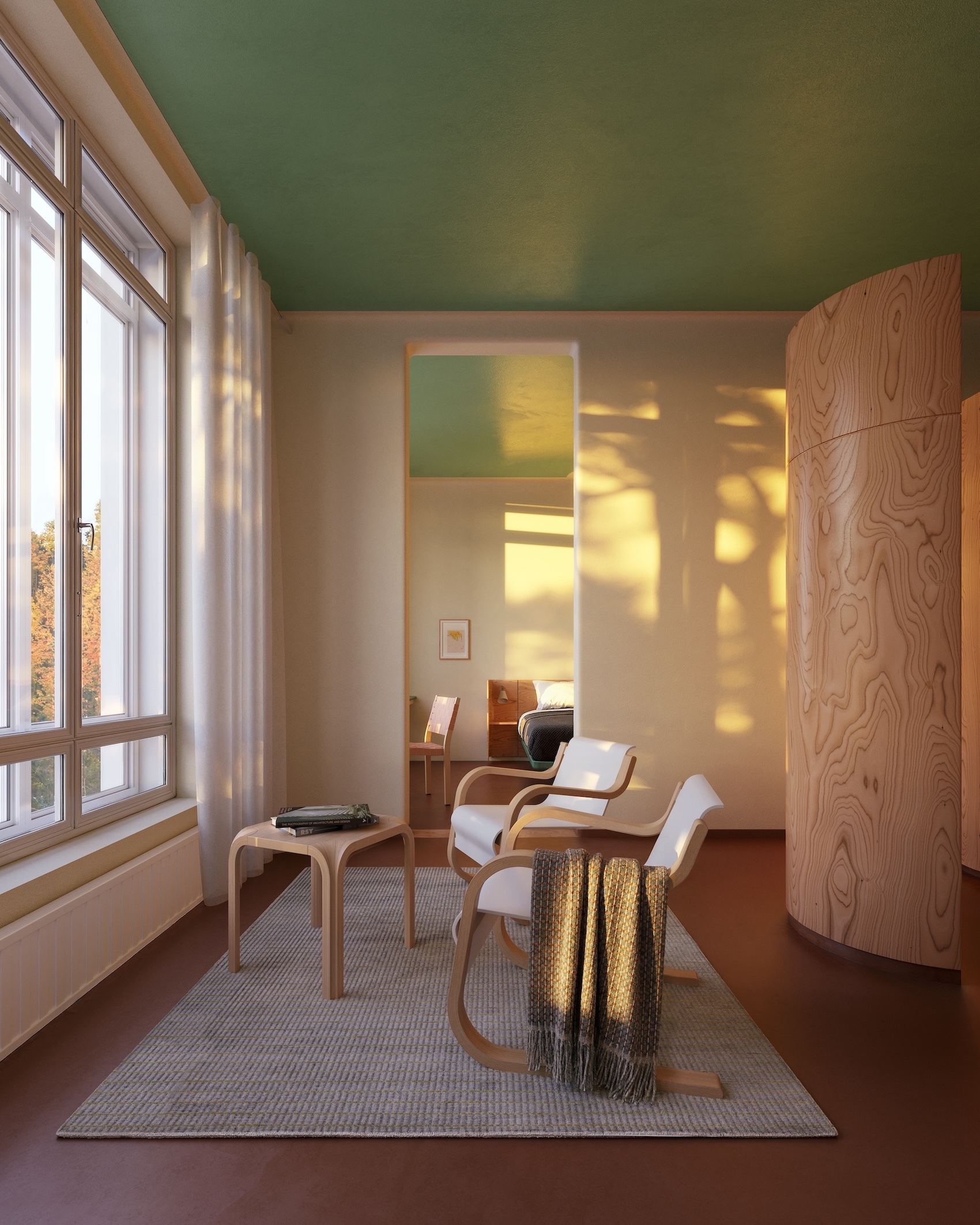
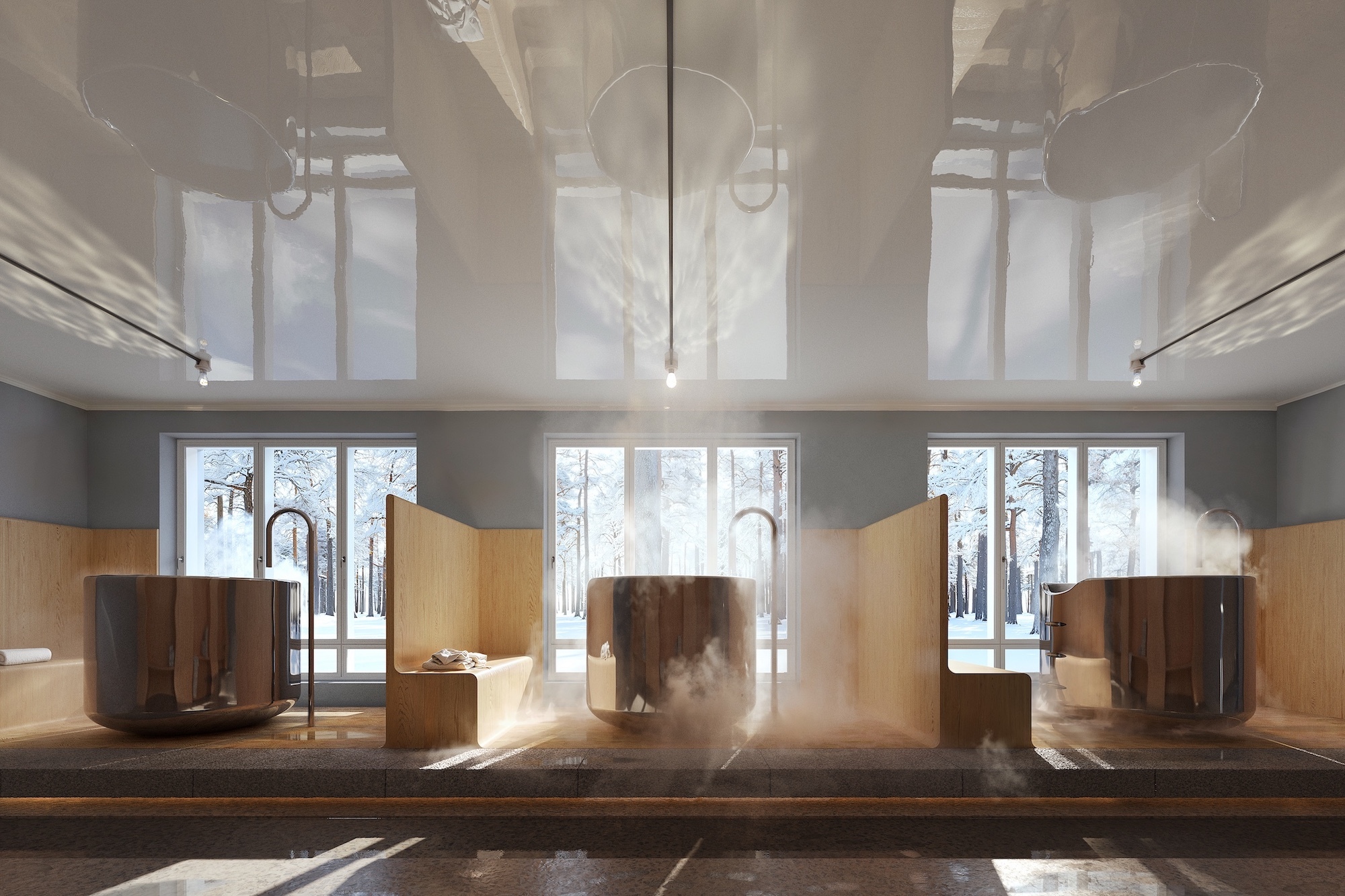
A capacity of 120 guest rooms is planned, with the possibility of further expansion in later phases. Some rooms will be preserved in their original appearance, without toilets and showers, while other rooms will be provided with amenities in the form of bathroom capsules. Due to the compact size of the original patient rooms, some will be combined by creating openings between adjoining rooms. A key principle throughout the planned changes is that everything can be restored.
For almost a century, this complex, originally built as a tuberculosis sanatorium, has been dedicated to promoting human wellbeing. It now appears set to continue that mission in a new form. According to the lead architect, the result will occupy a position somewhere between a museum and an entirely new destination: “This building is also the future, not only the past.”
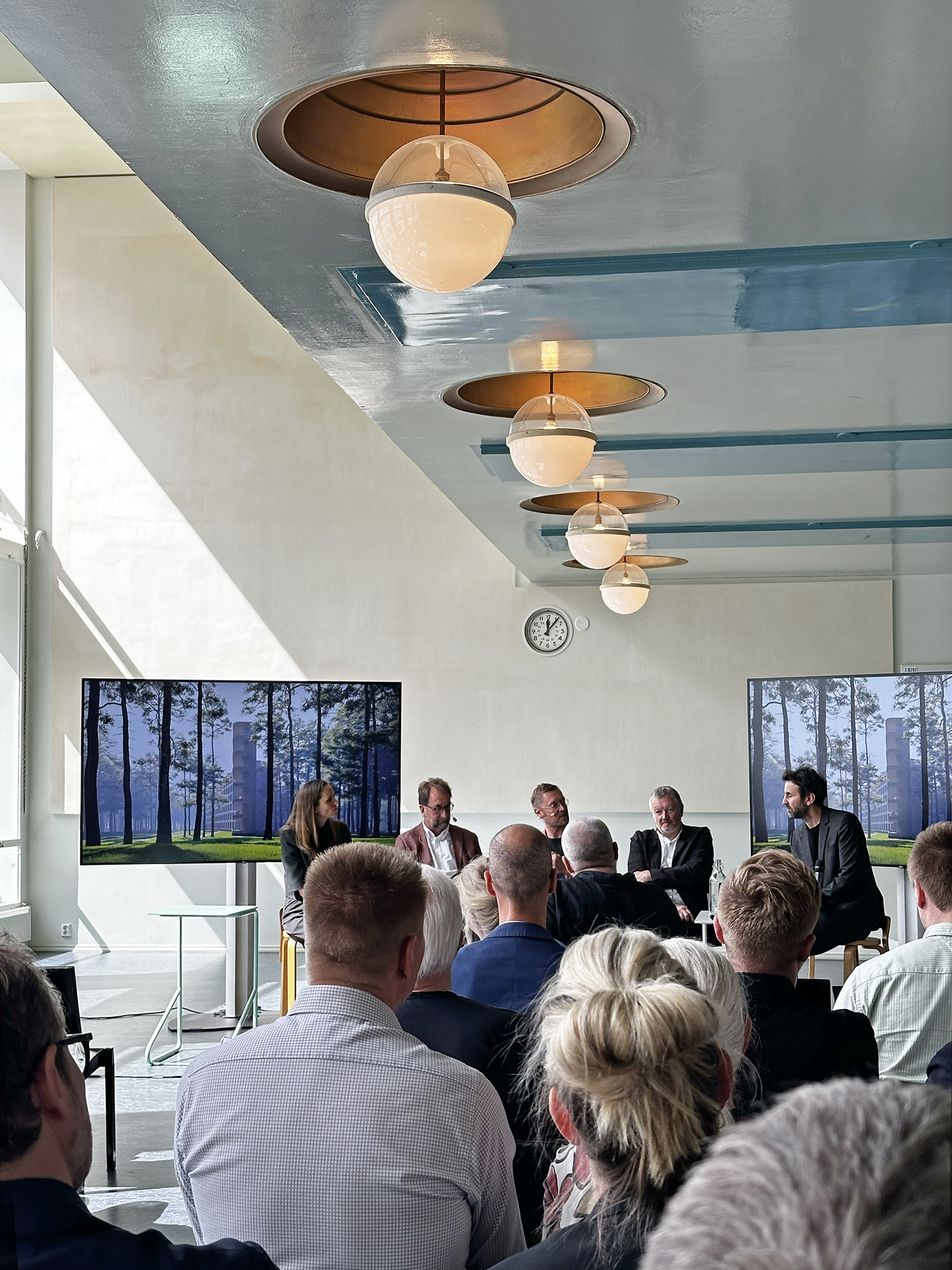
The Finnish government has proposed Aalto Works, a serial World Heritage nomination comprising 13 buildings and sites for inclusion in the UNESCO World Heritage List. The proposal has received a favourable evaluation from ICOMOS, the International Council on Monuments and Sites. The UNESCO World Heritage Committee is due to consider the nomination at its meeting in Busan, South Korea, in late July 2026. If successful, Aalto Works would become Finland’s eighth UNESCO World Heritage Site.


