Aalto Works: What responsibilities does World Heritage Listing entail?

Jarno Kylmänen / Villa Mairea Foundation
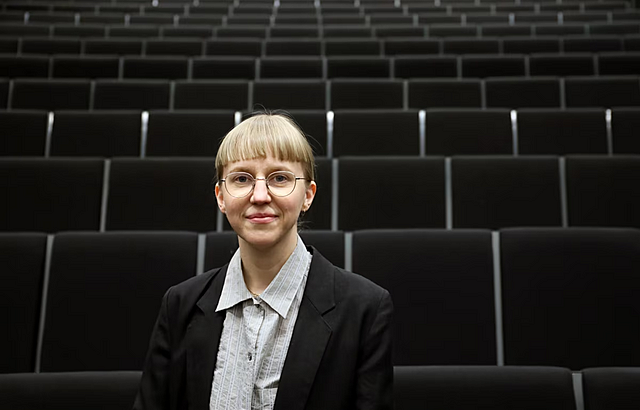
Finland's Aalto Works serial property has been inscribed as part of the world's most valued heritage of modernist architecture. How are the Aalto sites preparing for growing visitor numbers, and what else does World Heritage status bring with it? These are questions that Archinfo's Mari Forsberg examines in her article, through the lens of her extensive experience with Aalto's architecture, both at the Alvar Aalto Foundation and the Aalto cultural route association.
Since the end of July, Finland has had a new World Heritage listing, Aalto Works. The inscription of this ensemble of thirteen buildings and sites designed by Alvar, Aino and Elissa Aalto on the UNESCO World Heritage List is set to boost architectural tourism. Aalto’s architecture attracts interest both in Finland and internationally, and the new World Heritage status is expected to further increase the sites’ attraction.
Visitor numbers at all thirteen sites were already climbing while the nomination was being prepared. In line with UNESCO’s principles of sustainable development, annual visitor growth of 20 per cent is an indication that a site needs to have an effective system in place for managing visitor flows.
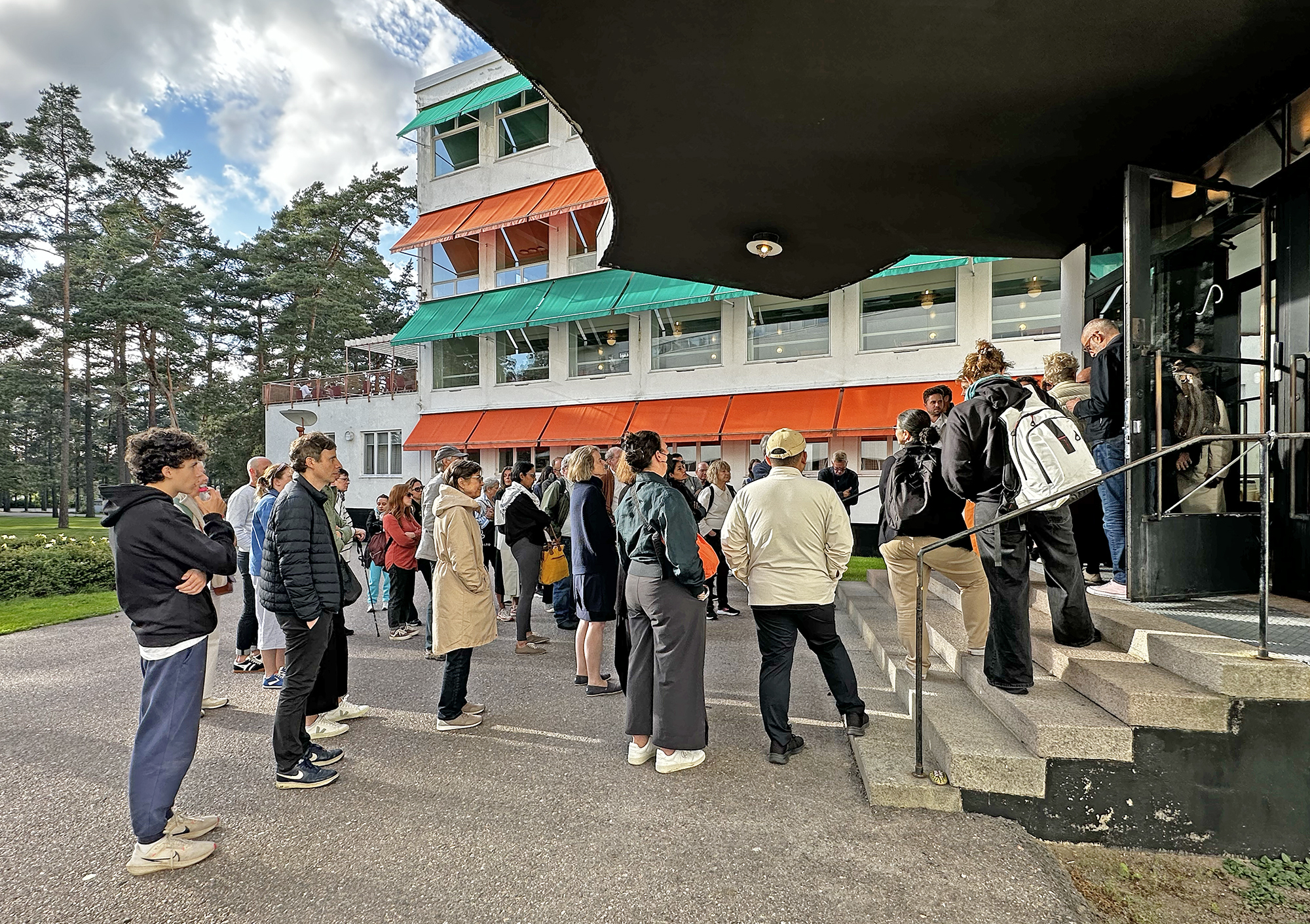
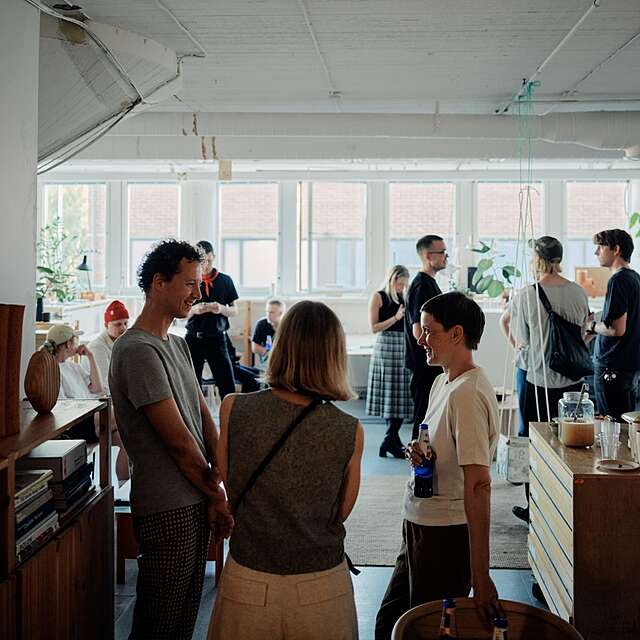
At the Habitare Fair in Helsinki, architect Tommi Lindh, CEO of the Alvar Aalto Foundation, interviewed representatives from the organisations behind six of the Aalto Works sites: Finlandia Hall, Paimio Sanatorium, Villa Mairea, the Aalto Campus at the University of Jyväskylä, Säynätsalo Town Hall and the Muuratsalo Experimental House.
Preparing for increasing visitor numbers
The Aalto sites have taken different approaches to preparing for an increase in visitor numbers: some use digital booking systems, and some are already developing visitor centers.
“The city of Jyväskylä is currently developing a visitor centre at the Aalto2 Museum Centre, which will serve as a gateway to the three UNESCO-listed sites in the city, as well as to other Aalto buildings in Jyväskylä,” says Heli Leinonkoski, Administrative Director at the City of Jyväskylä.
Minna Sauramaa, Marketing and Communications Director at Finlandia Hall, says that a pop-up information point for Aalto tourism opened in the foyer of the recently renovated building this summer. Visitors can begin exploring the Aaltos’ legacy by visiting the Visions of Alvar Aalto exhibition. Read more about the exhibition on the Finlandia Hall website here.
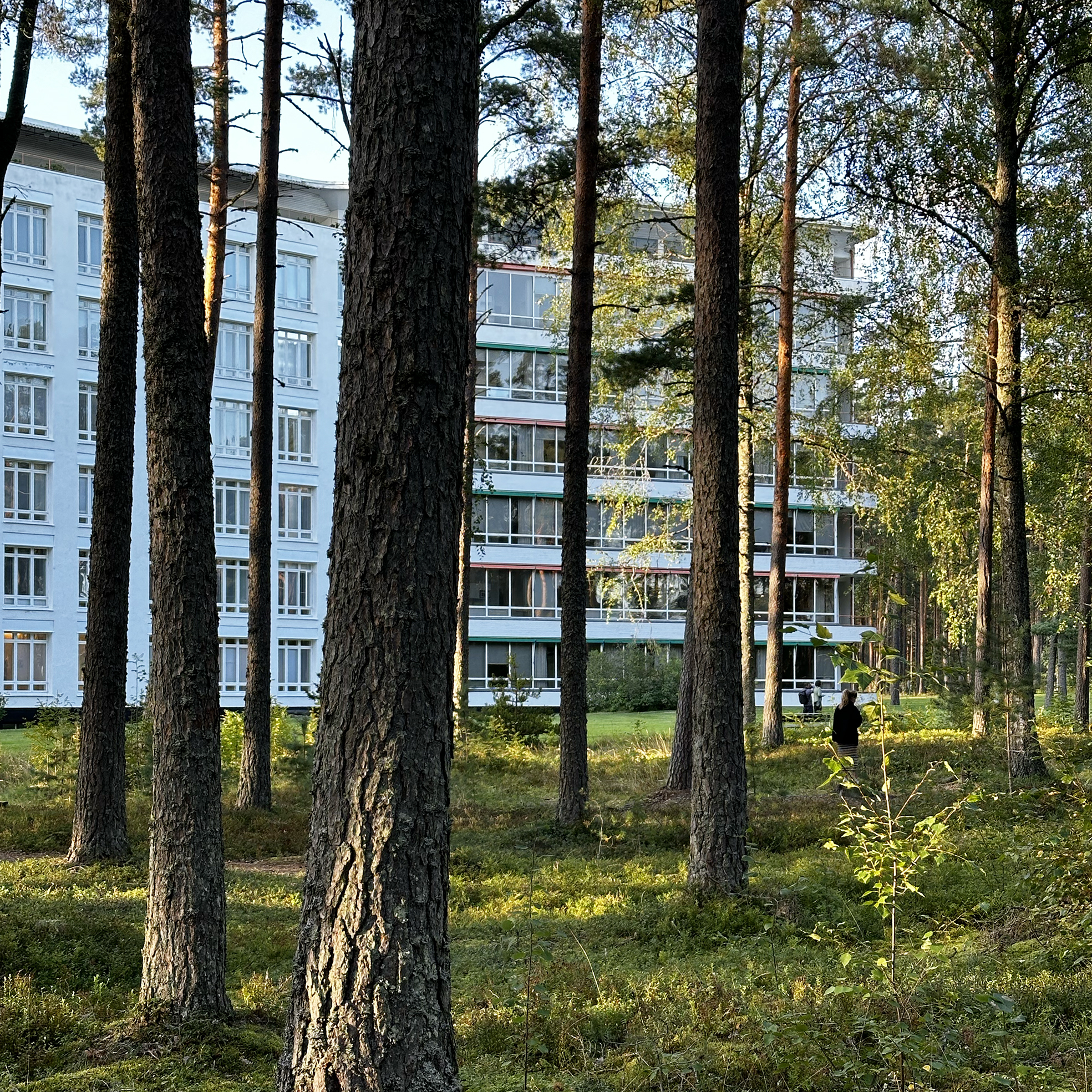
Meanwhile, Paimio Sanatorium is entering a period of change, with the renovation and conversion of the complex into a wellness hotel set to begin in 2028. Mirkku Kullberg, Chair of the Paimio Sanatorium Foundation, also says that a new owner is currently being sought for the building. Read more about the changes on the Archinfo website here.
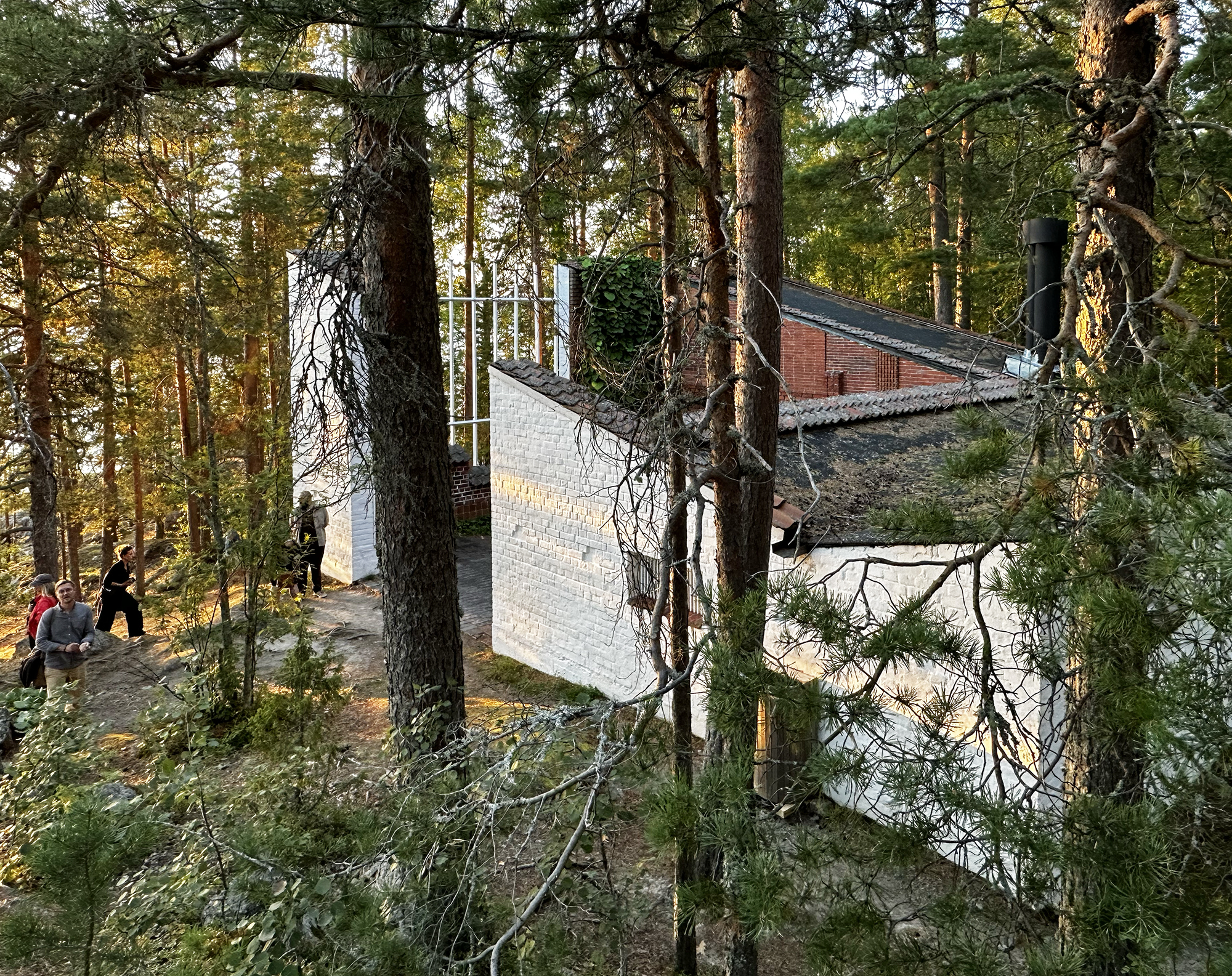
The most sensitive buildings are the ones most affected by rising visitor numbers, including the studio and summer apartment known as the Muuratsalo Experimental House in Jyväskylä, Villa Mairea in Noormarkku, Pori, and the Aaltos’ own home in Munkkiniemi, Helsinki. How can the buildings, their surface materials, interiors and outdoor spaces be protected from wear and tear and the effects of use? Particularly fragile are the natural surroundings of the Muuratsalo house hidden away in the forest, where it can only be reached on foot along a forest path.
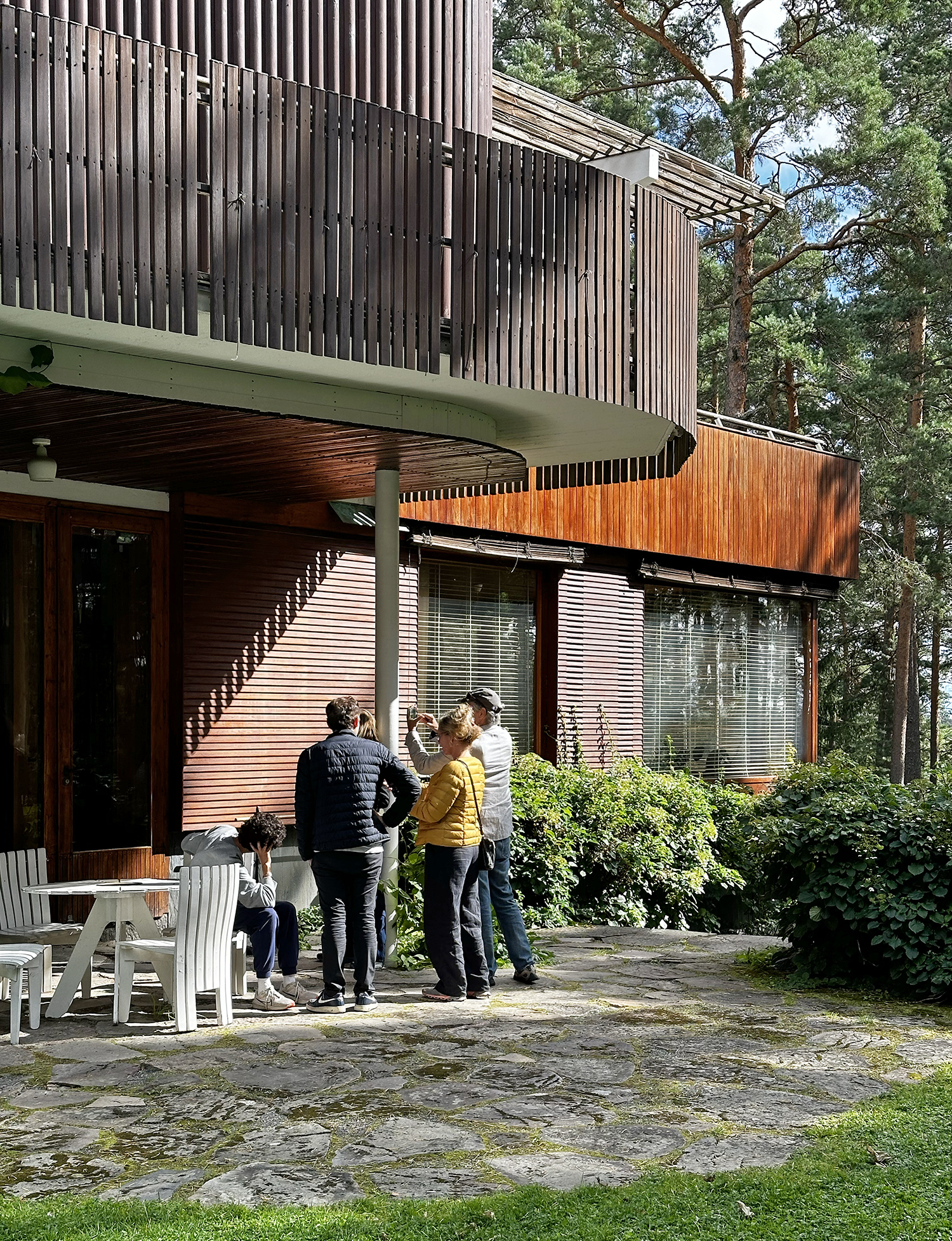
Villa Mairea has already introduced limits on visitors, with around 7,000 expected this year.
“The summer season has been fully booked, and we could shift more of the focus to the off-season,” says Johanna Gullichsen, Chair of the Villa Mairea Foundation.
The prestigious status brings both opportunities and responsibilities
Inscription on the World Heritage List requires a commitment to the proper care and conservation of the sites in the future, ensuring that the cultural heritage is preserved for generations to come. The headquarters of the Social Insurance Institution of Finland (Kela) in Helsinki and the currently closed Church of the Three Crosses in Imatra have been in the public eye due to their need for renovation and lack of funding. Large-scale plans for Paimio Sanatorium, developed in collaboration with the Norwegian practice Snøhetta, Finnish practice ALA Architects and Architects Mustonen, have also sparked debate.
“Responsibility for the maintenance and upkeep of the buildings still rests with their owners. By agreeing to have the site nominated for World Heritage status, they committed to maintaining it in accordance with its cultural heritage values,” Kimmo Levä, Director General of the Finnish Heritage Agency, said in an article by Yle, Finland’s national public service broadcaster. Read the article here (in Finnish).
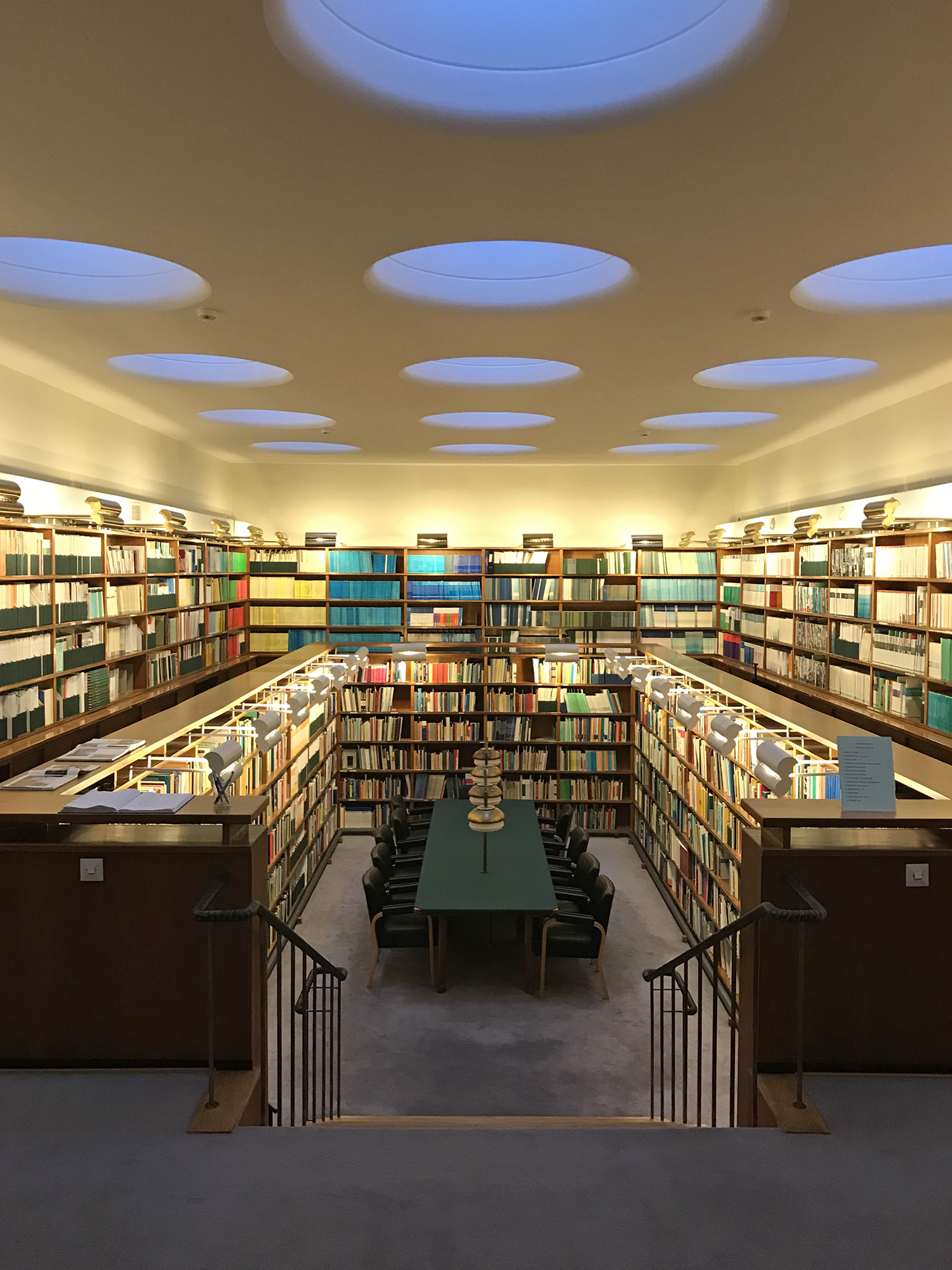
The UNESCO status of the Aalto sites could act as a catalyst for raising the international profile of Finnish architecture and promoting Finland as a travel destination. Promoting Finnish architecture can also contribute to Finland’s country image and brand in the long term. To make this a success, effective collaboration will be needed between those responsible for the country image, city tourism marketing and built-environment professionals.
According to Tommi Lindh of the Alvar Aalto Foundation, the foundation has decided that the Aalto Works sites will not receive any special treatment but, instead, all Aalto sites will be treated equally. Indeed there are many other fine Aalto buildings to be found in Finland and around the world, and as a sustainable travel choice, visitors could choose an Aalto site other than a World Heritage site for a visit, for example one along the Alvar Aalto Route. Explore the route here.
The Aalto Works sites, as well as almost 40 other Aalto sites, can also be visited online at the Finnisharchitecture.fi web service. Explore the web service here.
Facts about tourism in Finland
According to tourism statistics compiled by Visit Finland, the tourism sector accounts for 5.4 per cent of the workforce in Finland, employing around 149,000 people. Tourism is a major employer, and a significant proportion of those working in the sector are young people and immigrants. Tourism also helps create the economic conditions for providing services to local residents. Tourism is growing faster than the economy as a whole. Growth in Finland’s tourism businesses is driven particularly by international visitor flows, and international visitors also spend more on average than domestic travellers.